A previous reaction to a skin-cleaning product, latex glove or dressing deserves attention before PRP. Although platelet-rich plasma is prepared from your own blood, the appointment can involve other materials. A doctor-led assessment considers the whole procedure, rather than treating 'your own platelets' as a guarantee against allergy.
The aim is a clear plan: understand the previous reaction, identify avoidable exposures and decide whether treatment can proceed or should wait for specialist advice. A history of allergy does not automatically rule out PRP, but suitability cannot be confirmed from the name of the treatment alone.
If you currently have sudden throat or tongue swelling, difficulty breathing, collapse or symptoms suggesting anaphylaxis, call 999. Use your prescribed adrenaline auto-injector if you have one, following its instructions. Do not wait for a clinic message.
Arrange a PRP suitability consultation to discuss your allergy history.
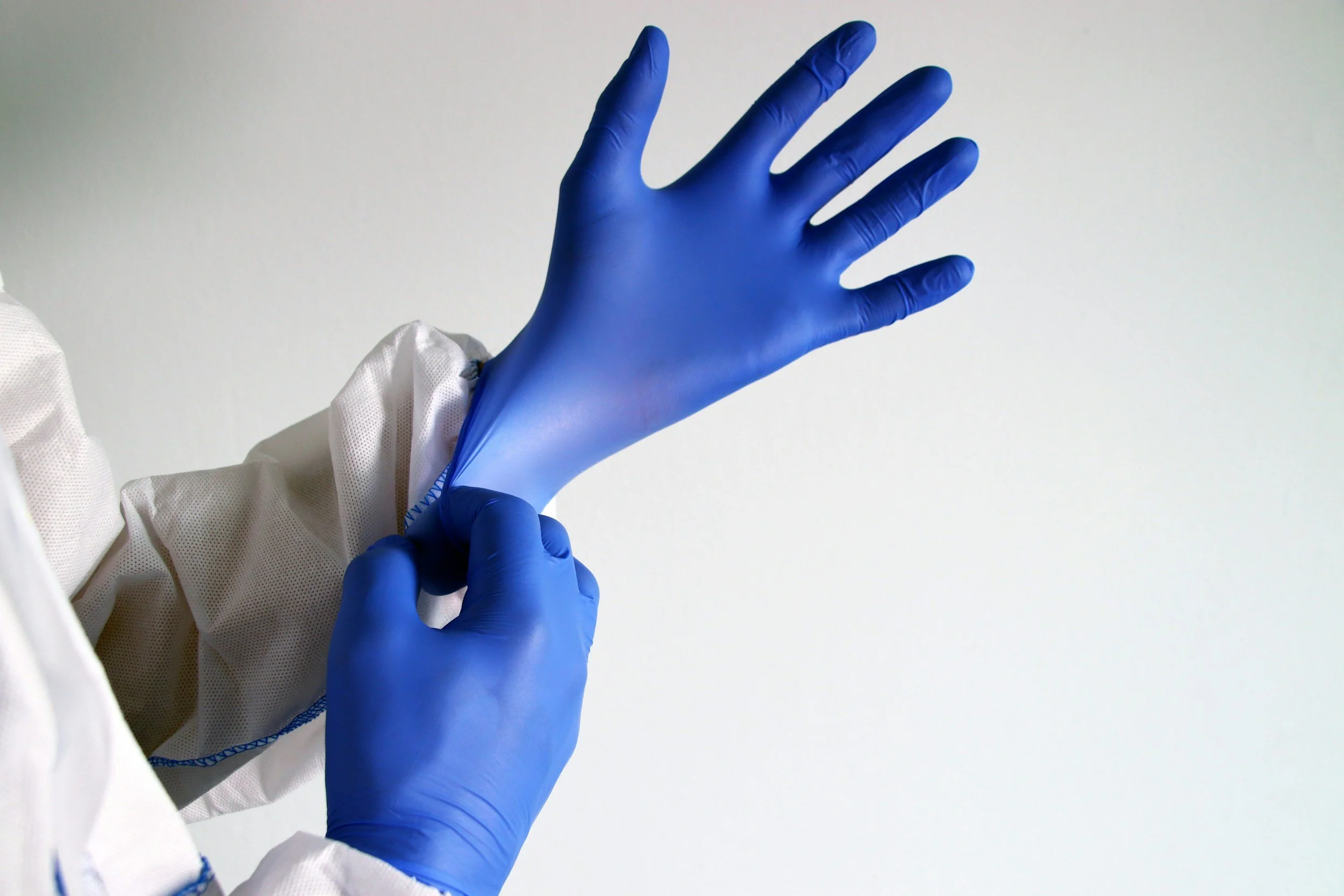
Illustrative photograph: Maskmedicare Shop via Unsplash.
Why allergy matters even when PRP uses your own blood
PRP describes the blood-derived preparation. It does not describe every product used during blood collection, skin preparation, pain control, injection or dressing. Depending on the proposed technique, relevant exposures may include an antiseptic, gloves, a local anaesthetic, a topical preparation, adhesive tape or a dressing. The treating clinician needs to check the actual products, including any additives used in preparing the injection.
That distinction is useful whether you are considering scalp, skin, tendon or joint treatment. A tolerable experience at a previous appointment does not establish that every future procedure uses the same materials. Equally, a reaction to one product does not mean that all injections contain it.
An allergy history is one part of the suitability assessment. The diagnosis being treated, expected benefit, alternatives, medicines and other health conditions still matter. Adapting materials does not turn an unsuitable treatment into an effective one.
Chlorhexidine: a skin antiseptic that needs a specific check
Chlorhexidine is used in some skin-cleaning products and medical devices. The Medicines and Healthcare products Regulatory Agency warns that it can cause anaphylaxis in people with an allergy. Its safety advice calls for allergies to be recorded and for product labels and instructions to be checked before use in a person with a known allergy.
A previous reaction after a skin wipe, cannula insertion, dental treatment or another procedure can therefore be relevant. It does not prove chlorhexidine was responsible, because several substances may have been used. The clinical value lies in reconstructing the event accurately, not selecting a culprit from an online description.
If chlorhexidine allergy is confirmed or suspected, tell the team before attending for treatment. Changing one visible bottle may not account for all exposures. The clinician must consider the products and devices actually planned, and whether further allergy advice is needed. This article does not confirm which antiseptic the clinic uses or promise a particular alternative.
Latex and dressings are separate questions
Natural rubber latex can cause allergic reactions, including severe immediate reactions. Tell the team about a diagnosed latex allergy and any advice from your allergy specialist. A documented avoidance plan helps the treating clinician review the relevant equipment before an elective procedure.
An itchy area beneath a plaster or dressing may instead reflect contact dermatitis. This is inflammation caused by an irritant or an allergen touching the skin. It can appear hours or days after exposure and may cause itching, blistering, dryness or cracking. A dressing-shaped rash is useful history, but its appearance alone does not identify the ingredient responsible.
Do not assume that all adhesive reactions are latex allergy, or that a product described as latex-free is automatically suitable for every contact allergy. Latex, adhesive ingredients, antiseptics and medicines are different exposures. The precise material and your previous symptoms guide the review.
Discuss a previous antiseptic, glove or dressing reaction before arranging PRP.
What a careful review can clarify
The most useful account describes what happened and when. Your clinician can consider the treatment you were having, the time between exposure and symptoms, whether the reaction stayed local or affected breathing or circulation, what treatment was needed and whether a specialist investigated it.
An allergy letter, emergency department summary, product name or photograph of a previous rash can help. Where records are incomplete, the uncertainty should remain visible rather than being replaced with reassurance. A note saying 'allergic to injections' may need more detail before a safe plan can be agreed.
Feeling faint during a needle procedure and having an allergic reaction are not the same diagnosis. Both deserve attention, but the history and any available records determine the next step. A previous unexplained collapse or serious reaction should not be dismissed as needle anxiety without review.
The assessment can lead to a product-avoidance plan, a request for further records, specialist advice or postponement. There may be a suitable route forward, but an elective appointment should not create pressure to proceed before the important questions are settled.
When allergy testing may come first
Testing is chosen for the suspected reaction. The NHS describes patch testing as a way to investigate allergic contact dermatitis, usually through a dermatology service. It is different from the specialist assessment used for possible immediate allergy or anaphylaxis.
A negative patch test to one substance does not clear every possible exposure during PRP. Nor does a small home test with an antiseptic or numbing cream establish that an injection procedure will be safe. Do not deliberately retry a suspected trigger to see whether you react again.
The appropriate clinician should decide whether testing or specialist advice is needed and how the result changes the procedure plan. The London PRP Clinic's suitability consultation is not a substitute for an allergy service, and this article does not state that the clinic offers allergy testing or supervised challenges.
Planning the appointment without unnecessary uncertainty
Before treatment, the clinical plan should account for the relevant materials, any agreed precautions and whether the setting is appropriate for your history. If the responsible substance remains unclear after a serious reaction, postponing an elective procedure can be the right outcome.
Do not stop prescribed medicines, take extra antihistamines to conceal a possible reaction or apply your own numbing products on the basis of general internet advice. Any preparation should come from the clinician responsible for your procedure. Antihistamines are not a substitute for avoiding a known trigger or for emergency treatment of anaphylaxis.
For a non-emergency enquiry, contact The London PRP Clinic to arrange an assessment and explain that you have a previous reaction to discuss. The team can advise how relevant records should be provided. A careful consultation gives you a reasoned suitability decision before you commit to treatment.
Arrange an assessment with your allergy history in view.
Symptoms after a procedure: when to get help
Sudden breathing difficulty, throat or tongue swelling, a tight throat, marked dizziness or collapse can indicate anaphylaxis. Call 999 immediately and follow NHS emergency advice. Use an adrenaline auto-injector if you have one, following its instructions. Do not stand or walk while waiting for help, even if you feel better.
A local rash without emergency symptoms still needs assessment if it is persistent, recurrent or severe. Worsening pain, increasing warmth or swelling, discharge or feeling unwell should not simply be labelled 'an allergy' from a photograph. Seek prompt medical advice, using NHS 111 if you are unsure where to turn. Routine booking messages are not an urgent-care service.
Frequently asked questions
Can I have PRP if I am allergic to chlorhexidine?
Possibly, but the treating clinician must review your allergy history and the products and devices planned for the procedure. An alternative approach may be possible, or specialist advice may be needed first. Suitability cannot be confirmed from a general article.
Can PRP cause an allergic reaction if it is my own blood?
Using your own blood does not remove exposure to other materials used during preparation and treatment. Antiseptics, gloves, medicines, additives or dressings may be relevant. The whole planned procedure needs assessment.
Is a rash from a plaster the same as latex allergy?
Not necessarily. Contact dermatitis can be caused by irritants or allergens, and a dressing-shaped rash does not identify the responsible ingredient. Tell the clinician what happened and provide any previous test results or product details.
Should I test the skin-cleaning product at home first?
No. Do not deliberately retry a suspected trigger at home. A clinician should decide whether specialist testing is needed and which kind of test fits the reaction being investigated.
What information helps before a PRP consultation?
Describe the previous procedure, the products if known, the timing and type of symptoms, the treatment needed and any specialist findings. Allergy letters, hospital summaries and photographs of a previous rash can help the clinical review.
What if I develop throat swelling or breathing difficulty after treatment?
Call 999 immediately. Use your prescribed adrenaline auto-injector if you have one, following its instructions. Do not wait for a reply from the clinic or use a routine booking enquiry for emergency symptoms.
A clear suitability decision before treatment
The value of a doctor-led assessment is knowing what is being treated, why PRP may or may not help and how your allergy history affects the plan. The appropriate next step may be treatment, a different option or further investigation. You should understand the reasoning before proceeding.
Contact The London PRP Clinic to arrange a suitability consultation.
Related reading: a previous local anaesthetic reaction before PRP and PRP treatments at the clinic.
Sources
- MHRA: chlorhexidine-containing products and the risk of anaphylactic reactions.
- NHS: contact dermatitis and diagnosis, including patch testing.
- NHS: anaphylaxis, symptoms and emergency action.
General patient information, not a diagnosis, individual allergy clearance or a promise of treatment benefit.