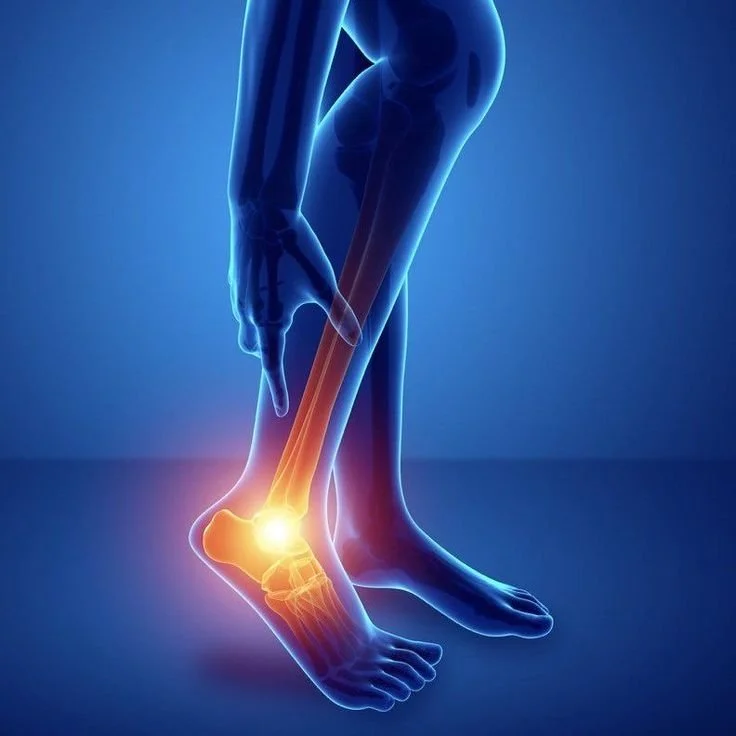
A new slapping foot, difficulty lifting the front of the foot or an unexplained lump at the front of the ankle needs medical assessment. A tibialis anterior tendon rupture is one possible cause, but nerve and other problems can produce similar weakness, so it should not be treated as ordinary tendon soreness without examination.
PRP should not be offered as a shortcut around that diagnosis. The immediate task is to identify the cause of weakness and decide whether protection, imaging, specialist advice or another urgent pathway is needed.
What does the tibialis anterior tendon do?
The tibialis anterior muscle sits at the front of the lower leg. Its tendon crosses the front of the ankle towards the inner foot. It helps lift the foot during walking and control how the foot meets the ground.
If the tendon ruptures, the foot can slap down or fail to clear the ground properly. Some people compensate by lifting the leg higher. Because other tendons can help with lifting the foot, a person may still walk and the rupture can be missed, particularly when there has been no dramatic injury.
The British Orthopaedic Foot and Ankle Society describes a combination of a front-ankle lump, loss of the normal tendon outline and weak ankle lifting as useful clinical signs. They are findings for an examination, not a checklist that confirms the diagnosis at home.
Can this happen without a major accident?
Yes. Some ruptures follow trauma, while others occur in a tendon that has become degenerate. The cause and the time since rupture affect treatment planning. A relatively painless presentation or the ability to keep walking does not reliably exclude a significant tendon problem.
Tell the clinician about the onset, any trip or sudden movement, changes in walking and any previous surgery or injection near the ankle. Diabetes, inflammatory disease and relevant medicines may also be important to the assessment.
Do not assume that a new lump is simply swelling that needs an injection. It could represent the end of a ruptured tendon, another local problem or a finding that needs a different investigation.
Discuss new ankle weakness with The London PRP Clinic. Explain that you have difficulty lifting the foot rather than booking solely under tendon pain.
When is weakness urgent?
New foot weakness should be assessed promptly, especially after injury or if it is worsening. A clinician needs to distinguish tendon failure from a nerve problem and other causes. Do not delay assessment while waiting to see whether a topical treatment or rest fixes it.
Sudden weakness with facial droop, arm weakness or speech difficulty is an emergency. Severe back pain with new bladder or bowel disturbance, numbness around the saddle area or major leg weakness also needs emergency assessment. These symptoms are not a routine ankle-injection enquiry.
A cold or pale foot, severe pain after trauma or inability to walk safely also requires urgent care. Until reviewed, avoid activities that put you at risk of tripping and seek help with safe mobility if needed.
What can imaging add?
The examination should guide the test. X-rays can identify an associated bone injury or relevant bony changes. Ultrasound can assess the tendon dynamically and help estimate a gap. MRI can provide additional information about tendon and muscle quality, particularly in longer-standing cases.
A report should be read alongside the clinical findings. The questions include whether the tendon is intact, partially torn or completely ruptured, where the injury lies and how the muscle and surrounding structures are functioning.
Not every case needs every scan. The useful test is the one that changes the treatment decision or clarifies a diagnosis that remains uncertain after examination.
How is a confirmed rupture treated?
Treatment depends on the injury, the time since it occurred, the gap, tendon quality and the person's functional needs and health. Some people may be managed with an orthosis, activity changes and physiotherapy. Others may be offered repair or reconstruction after specialist assessment.
There is no safe universal instruction that everyone should operate or everyone should avoid surgery. A later presentation can involve retraction and scarring, which may change the available repair options. That is one reason to seek assessment rather than repeatedly treating the area as tendinopathy.
A review of this uncommon injury notes that much of the literature consists of case reports and small studies. Discussion of treatment should be clear about that evidence base and about the risks and rehabilitation required for the individual plan.
What does this mean for PRP?
Evidence about PRP for another tendon condition does not establish that it restores continuity in a ruptured tibialis anterior tendon. An injection cannot be assumed to replace repair, reconstruction or a properly fitted support where one of those is indicated.
If PRP is discussed after a diagnosis, ask what problem it is intended to address, what published evidence applies to this particular tendon and whether it could delay a more appropriate treatment. Platelet concentration and growth-factor language are not substitutes for evidence about walking, strength and recovery.
What should you bring to a consultation?
Bring existing scan reports and images, a medication list and a short timeline of the weakness. Mention falls, tripping, numbness, previous surgery and how walking differs from before. Comfortable footwear can help the clinician assess your gait safely.
Ask The London PRP Clinic in London about an assessment-led next step. Confirm the consultation, imaging and any referral costs individually. An enquiry does not confirm a diagnosis, reserve an injection or provide clearance to return to sport.
Sources and evidence limits
BOFAS Hyperbook: tibialis anterior tendon rupture describes presentation, imaging and treatment factors.
Harkin and colleagues: acute and chronic tibialis anterior tendon rupture and tendinopathy explains the small-study evidence base for this uncommon injury.
AAOS: platelet-rich plasma provides general PRP context, not evidence that PRP repairs this particular rupture.
Information checked 6 November 2026. This is general education and cannot distinguish a tendon rupture from a neurological cause of foot weakness.