If you wear a hijab, turban, wig or another head covering, discuss privacy before booking hair PRP. Ask who will be in the room, what areas need examination and where you can uncover and cover again. Confirm the arrangements rather than assuming a particular clinician or room will be available.
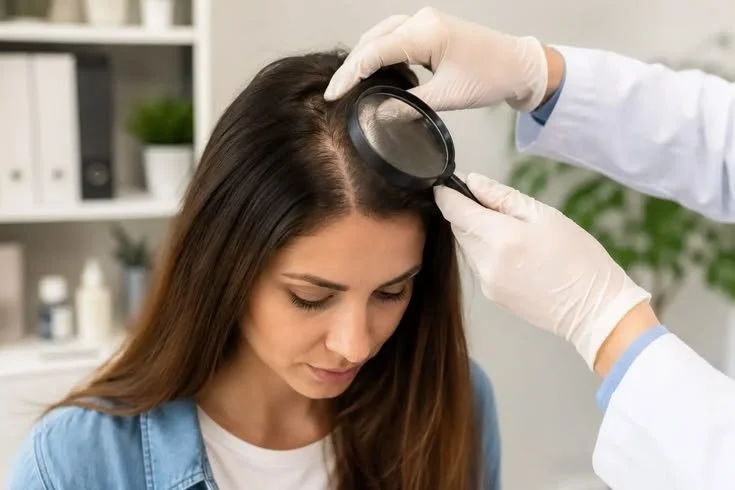
You do not need to justify why privacy matters to you. The useful conversation is about what would make an assessment comfortable, what the clinician needs to do safely and whether those needs can be met at the planned visit.
Ask about privacy before your hair PRP assessment
How do you explain your privacy needs before a hair PRP appointment?
People who wear similar coverings may want different arrangements. You might want only a particular clinician present, a private space to adjust your covering, a support person, or an explanation before anyone touches your hair. Tell the team which points matter to you rather than expecting them to infer them from your name, appearance or religion.
GMC guidance says clinicians should take account of relevant religious, social and cultural factors, without putting pressure on people to discuss or justify their beliefs. It also says people must not be treated unfairly because of their religion or other personal characteristics. These are professional standards, not a promise about a particular appointment slot. [1]
Before paying or making a long trip, contact The London PRP Clinic team with your practical requirements. Ask the team to confirm what has actually been arranged and what still needs discussion with the clinician.
Ask what the scalp assessment will involve
Ask which parts of your scalp the clinician expects to see, whether the assessment may involve touching or parting your hair, and why this is needed. An assessment and a proposed treatment are separate decisions. An appointment to discuss hair loss does not oblige you to agree to injections.
You can ask the clinician to explain each step before it happens. If a proposed examination would go beyond what you expected, pause and ask what it would add to the assessment. Agree the next step before proceeding rather than feeling that you must accept it because you are already in the room.
GMC guidance asks clinicians to be sensitive to what each person may consider intimate. Its advice on privacy and dignity is relevant to examinations where exposing an area causes particular concern, not only to the examinations people commonly label intimate. [2]
Confirm the room and the people in it
Useful questions before the visit include
- Where can I uncover and cover again in private?
- Who needs to be present during the assessment or procedure?
- Can my preference about the clinician be met at this appointment?
- What should I do if someone needs to enter the room?
- Can the arrangement be recorded so I do not have to repeat it at every visit?
- What happens if the agreed arrangement is unavailable on the day?
A preference is not the same as a confirmed booking arrangement. If a clinician's gender is important to you, say so early and ask for explicit confirmation. Do not assume the person answering the initial enquiry will be the person examining or treating you.
If the arrangements cannot be met, discuss alternatives before deciding whether to attend, rearrange or seek another assessment. Do not let a treatment package or a travel booking push you into an examination you have not agreed to.
A companion and a chaperone have different roles
You may want a friend, relative or advocate to help you feel comfortable. Tell the clinic in advance, including whether you want that person present during the examination or only for the discussion. You may also want some time to speak to the clinician alone.
A companion is not automatically a trained chaperone. A chaperone is an impartial observer with a defined role during an examination. If you would like one, ask how that can be arranged. Our guide to companions and chaperones at PRP appointments explains the distinction. Do not assume availability without confirmation. [2]
The purpose is to agree who is present and why. Having someone with you should support your own decision, not replace it.
Talk about photographs before they are taken
If the clinician proposes scalp photographs, ask why they are needed, what the pictures will show and how they will be used. Say if you are concerned about your face, covering or another identifying feature appearing in the image. Ask the clinician to explain the clinical need and available options before you agree.
Do not assume a picture taken for your care is being requested for publicity, or that every use is covered by one general conversation. Ask separately about any proposed use outside your care and read the relevant information before deciding. If you are unsure, pause the photograph and ask for clarification.
You can also ask whether an assessment can proceed without a particular image and what information the clinician would lose. The answer should be specific to your care, not a general claim that everyone has to accept every photograph.
Discuss the arrangements that matter to you
Get individual advice about covering again afterwards
Ask before treatment how and when you can replace your own covering, and whether its fit, fastening or contact with the treated area needs any adjustment. Describe what you actually wear, including pins, clips, adhesives or a close-fitting cap if relevant. Do not rely on a generic answer about "a hat" when it does not describe your situation.
This article does not set a universal number of hours for wearing a covering after scalp PRP. The instructions should match the procedure, the treated area and your own circumstances. Ask for the plan in writing, including whom to contact if the instructions are unclear.
Similarly, do not remove a fixed wig, attachment or hairstyle at home solely because an online article suggests it. Ask what access is needed for your assessment and agree a practical plan with the clinician before making changes.
You can pause and ask for a different plan
If you feel exposed, uncomfortable or unclear about what is happening, say so. Ask to stop while the concern is discussed. GMC examination guidance says clinicians should explain what they are about to do, check for discomfort or distress and stop an examination when the person asks. [2]
A useful consultation may end with information and a later decision rather than treatment that day. Privacy planning does not establish that PRP is suitable for your hair loss. You still need a discussion about the assessment, realistic benefit, risks, alternatives and costs. Our PRP consent and cost checklist can help you prepare those separate questions.
How can you turn a privacy request into a clear appointment plan?
Separate your request into three parts. First describe the access you are comfortable discussing, such as uncovering only in the examination room. Next explain who you would like present or absent. Finally ask what practical arrangement the clinic can confirm. A response about a clinician's availability does not automatically answer a separate question about photographs or changing space. Keep the points together so neither you nor the team mistakes one answer for a complete plan.
You can write your request without sharing a personal explanation. For example, you might ask to discuss scalp assessment in a private room and to know before the visit whether another person needs to attend. This is an illustrative request, not a description of the clinic's facilities or a promise that the arrangement is available. The useful outcome is a specific confirmation or a clear explanation of what needs another discussion.
When you receive a reply, read it alongside the appointment details. Does it describe the assessment only, or a possible treatment too? Does the plan cover uncovering, examination, photographs and covering again? If a point is unanswered, ask about it before making a long trip. Keeping a copy of the agreed plan can help you explain a concern if you meet a different team member on the day.
What should you check before buying a course of treatment?
Privacy arrangements and treatment suitability are different decisions. A comfortable room does not tell you why your hair is thinning, whether PRP is an appropriate option or what benefit is realistic for you. Ask the assessing clinician to explain the diagnosis being considered, any further assessment needed and the alternatives before discussing a course. You can decide to seek information first and consider treatment later without treating the first enquiry as a commitment.
Ask for the proposed fees and any separate assessment, procedure or follow-up charges in writing. If an adjustment or additional appointment could affect the cost, ask who will confirm it and when. This guide gives no package price because the practical support requested and the treatment plan have not been agreed. You should be able to compare a defined proposal rather than infer that every aspect of care is included in an advertised headline.
Before leaving a consultation, explain the plan back in your own words. Say what you understood about the area to be assessed, who will be there, what you have agreed to and what remains undecided. Ask for unclear instructions to be written down. This is a practical way to find a misunderstanding before the procedure, rather than discovering afterwards that you and the clinician were describing different arrangements.
Related reading
For the separate roles of people attending, read our PRP chaperone and companion guide. If language or hearing support matters too, use our communication-support guide. Our PRP services are a starting point for discussing the treatment itself, not confirmation that a particular procedure or privacy arrangement is suitable.
Check your privacy questions with the team
Questions you may have
Can I ask for privacy before removing a head covering?
Yes. Describe the arrangements you need before booking and ask the clinic what can be confirmed. You do not need to justify the personal or religious reason for wanting privacy. Check who will be present, where you can uncover and cover again, and what happens if the arrangement changes.
Can I request a clinician of a particular gender?
You can state your preference and ask whether it can be met for the appointment you are considering. Do not assume a particular clinician will be available because another appointment offered that choice. Ask for confirmation before travelling, while keeping the separate questions about room privacy and support in view.
Will the clinician need to see all of my hair?
The access needed depends on the assessment or procedure. Ask which areas the clinician needs to see, whether touching or parting your hair is involved and why it is necessary. Agree what will happen before uncovering. A discussion about an assessment does not by itself mean consent to injections.
Can I bring someone with me?
Ask in advance and explain which parts of the appointment you would like the person to attend. A companion offers personal support, while a trained chaperone has a different role. Confirm each arrangement separately and say if you also want time to speak with the clinician in private.
Can I put my head covering back on immediately after PRP?
Ask the treating clinician for instructions that fit your procedure and your own covering, including any clips, fastenings or contact with the treated area. There is no universal time limit in this guide. Confirm the plan before treatment and ask for written instructions if the practical details are unclear.
What if I am uncomfortable during the examination?
Ask the clinician to pause or stop and explain what is making you uncomfortable. You can ask for another explanation, a change in who is present or discussion of a later appointment. GMC guidance says an examination should stop when you ask; support arrangements do not remove that choice.
Prepare the appointment around what matters to you
Send the team a short list of the arrangements you need, confirm what is possible and keep the response with your appointment details. For a hair or scalp enquiry, contact The London PRP Clinic before booking so the clinical assessment and your privacy needs can be discussed together.
Message the team about your hair PRP appointment
Last updated 8 November 2026. This article is general information and is not a substitute for medical advice about your own health. In an emergency call 999.