You can ask about a trained chaperone and whether a friend or relative can accompany you before a PRP appointment. They have different roles. A chaperone is an impartial observer, while someone you know can offer personal support. Tell the clinic what you need before booking so the arrangements can be confirmed.
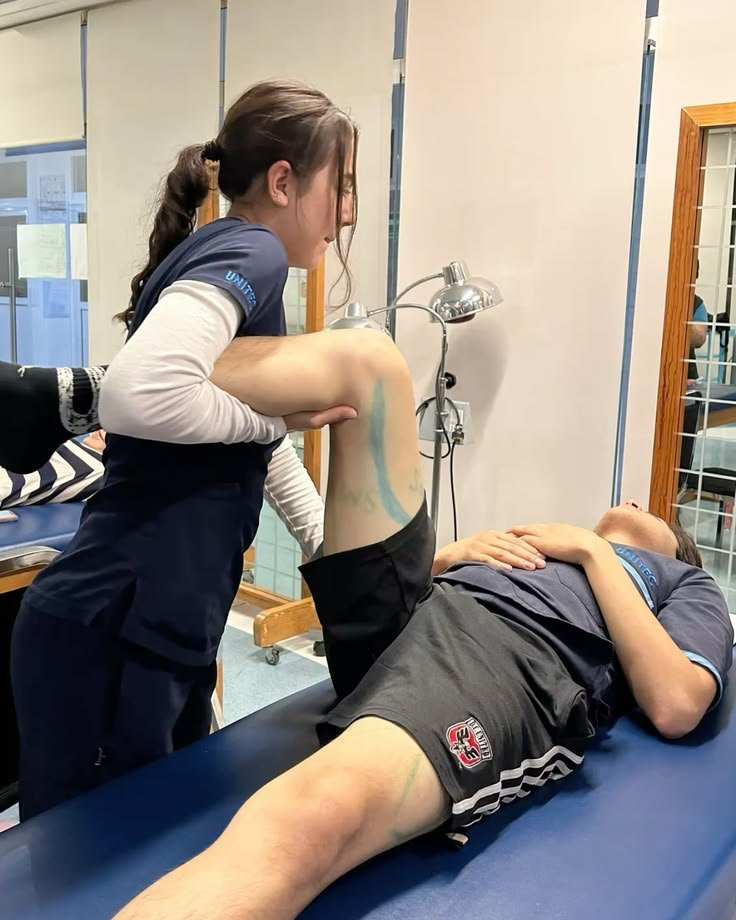
Feeling comfortable about who is in the room matters as much as understanding the proposed treatment. You do not need to wait until an examination has started to ask. This guide explains the distinction, the questions worth raising and how to keep control of the appointment without assuming that every request can be met on the day.
Ask about a chaperone before your PRP assessment
Should you ask for a chaperone at a PRP appointment?
PRP appointments differ according to the concern and the area being assessed. Ask what the consultation and any examination will involve, what clothing may need to be adjusted and who will be present. A scalp assessment, a facial procedure and an examination involving a more private area should not be treated as the same experience.
The General Medical Council (GMC) says clinicians should be sensitive to what a person considers intimate whenever they examine them. Its guidance is not limited to a fixed list of body parts. Being close to someone, touching an area or asking them to expose part of their body can feel intimate to that person. You can explain a concern without first proving that the appointment fits a particular label. [1]
If you are arranging an assessment at The London PRP Clinic by The Wellness, contact the team before booking. Say which treatment area you want to discuss and what would help you feel comfortable. Ask the team to confirm the arrangements rather than assuming a particular person will be available.
What a trained chaperone does
For intimate examinations, GMC guidance says clinicians should, wherever possible, offer a chaperone and explain the role. A chaperone is an impartial observer who should be sensitive to dignity and confidentiality, notice signs of distress and know how to raise concerns. [1]
The clinician must be satisfied that the chaperone is trained for the role, understands the proposed examination or has been briefed, and can stay for the whole examination. They need to be able to see what the clinician is doing as far as practical without obstructing the examination or compromising your dignity.
This is different from simply having an extra member of staff nearby. Ask who the chaperone would be, what their role is and whether they will remain throughout the relevant part of the appointment. A chaperone is not a substitute for the clinician explaining each step or asking for your consent.
What a friend, relative or partner can do
Someone you trust may help you feel calmer, remember your questions or discuss the information afterwards. However, a friend or relative is not usually a suitable formal chaperone because they are not a trained impartial observer. GMC guidance distinguishes these roles and says a reasonable request for personal support should be accommodated alongside a chaperone. [1]
Ask about bringing someone rather than arriving with an assumption about the room or the procedure. Think about whether you want them present for the whole consultation, only for part of it, or in the waiting area. You may want support during the explanation but privacy for a personal question.
Your companion should not answer every question for you or make the treatment decision on your behalf. If their presence makes it harder for you to speak freely, ask to talk with the clinician alone. You can change your mind about who you want in the room.
What to ask before travelling to the appointment
A short, practical request helps the team check the right arrangements
- What examination or procedure is expected, and which area is involved?
- Can a trained chaperone be arranged for that part of the appointment?
- May my companion attend as well, and can I choose which parts they join?
- If I have a preference about the chaperone or clinician, can it be accommodated?
- What happens if the agreed support is unavailable on the day?
You do not need to send a detailed personal history just to start this discussion. Explain the support you want and ask how to share any sensitive information with the appropriate clinician. Confirm the location and arrangements before making travel plans. This guide does not promise a particular staff member, gender preference or same-day arrangement.
Discuss who you would like at the appointment
If a suitable chaperone is not available
The GMC says an examination may be delayed when no suitable chaperone is available, provided the delay would not adversely affect the person's health. If either person is uncomfortable with the proposed arrangement, the options should be discussed rather than treated as a problem you must ignore. [1]
For a planned PRP assessment or procedure, ask what can still be discussed safely and what would need a different appointment. Do not feel obliged to proceed because you have travelled or taken time off work. Equally, an urgent medical concern needs an appropriate care route rather than simply being postponed for a routine cosmetic appointment.
If you do not want a chaperone but the clinician considers one necessary, ask them to explain why. You and the clinician may need to agree another arrangement. Declining a chaperone does not automatically mean the examination will proceed without one.
You can ask for a pause or stop
Before an intimate examination, the clinician should explain why it is needed, what it involves, any expected discomfort and that you can ask for it to stop. During the examination, they should explain what they are about to do and stop if you ask. The discussion about a chaperone and the outcome should be recorded. [1]
Having a chaperone or companion present does not remove these responsibilities. Nor does a signed form mean you have agreed to every possible change in the plan. If you do not understand a new step, ask for an explanation before deciding. Our PRP consent and cost checklist covers the separate questions about treatment choices, risks and the written plan.
How can you make a clear request without sharing unnecessary personal detail?
Begin with the planned assessment and the support you want. You might say that you want to discuss a knee or scalp concern, ask whether a trained chaperone can be arranged and check whether a companion may attend as well. You do not need to describe a private experience in the initial booking message. Ask how to raise sensitive information directly with the clinician if it matters to the examination.
Keep requests separate so they can be answered accurately. A clinician preference, a formal chaperone, an interpreter and a friend attending are not interchangeable arrangements. If you need more than one, explain that. The team may need to check different people or appointment formats. A general reply that someone can accompany you does not establish that a trained chaperone has been arranged for the examination itself.
Read the confirmation before travelling. It should help you understand which part of the appointment the arrangement covers and what to do if the plan changes. If a point is unclear, ask about that point rather than assume the most reassuring interpretation. The GMC's guidance concerns professional standards; it does not establish the staffing, facilities or availability of a particular clinic appointment. [1]
What should happen if the examination plan changes?
A discussion can reveal that a different area needs to be examined, or that an examination would be more extensive than you expected. Ask the clinician to explain the reason, what would happen and whether the support arrangement still fits. You can agree to a conversation without agreeing to every examination or procedure that might be considered later. The scope of the decision should remain clear throughout the visit.
If you want to pause, say so directly. For example, you can ask to stop while the explanation is repeated, while you speak privately or while another appointment is considered. A companion may help you express a question, but the clinician still needs to hear your own wishes. GMC guidance says that the clinician should watch for distress and stop the examination when asked. [1]
Afterwards, ask what was recorded about the examination and chaperone discussion if you are uncertain. Keep any written treatment plan and follow-up instructions. If something about the experience concerns you, ask the clinic how to raise it and which person can explain the next step. A chaperone provides an impartial presence; they do not replace the clinician's responsibilities or prevent you from asking questions later.
What costs and treatment decisions should you keep separate?
Ask what the assessment fee includes and whether the proposed support changes any arrangements or charges. Do not infer that a particular adjustment is included, unavailable or chargeable without confirmation. Similarly, agreeing who attends does not commit you to a PRP procedure or course. Ask for the proposed treatment, relevant risks, alternatives, total fees and follow-up to be explained separately before deciding what care you want.
Related reading
Read about privacy and head coverings at a hair PRP appointment and language or hearing support before PRP when those questions also matter. For the treatment discussion itself, explore our PRP services and ask which assessment fits your concern.
Check your PRP support arrangements
Questions you may have
Is every PRP appointment an intimate examination?
No. The examination and what you consider intimate both matter. Tell the clinician if being touched, examined or exposing a particular area concerns you, including at a hair or skin appointment. Ask what will happen before it begins rather than waiting for the examination to discover a concern.
Is my partner the same as a trained chaperone?
No. A partner can offer personal support but would not usually be a suitable trained, impartial chaperone. You can ask about having both a companion and a formal chaperone. Explain the support you want and check the actual arrangements before assuming either person can be present throughout.
Can I ask for a chaperone before I arrive?
Yes. Raising the request before booking gives the clinic time to check availability and explain the role. Ask which part of the visit the arrangement covers and what happens if it changes. This article does not guarantee a particular chaperone, clinician preference or appointment date without confirmation.
Can I speak to the clinician without my companion?
Yes. You can ask for part of the consultation to take place privately, even if you initially wanted a companion throughout. Explain when you would like them to leave or return. A person accompanying you should support your questions and decisions, not remove your opportunity to speak for yourself.
What if I change my mind during an examination?
Tell the clinician clearly that you want to pause or stop. GMC guidance says an examination should stop if you ask. You can then discuss an explanation, a different arrangement or another appointment. Having travelled, signed a form or brought a companion does not mean you must continue.
Does having a chaperone mean I have consented to treatment?
No. A chaperone is an impartial observer, not a substitute for the discussion needed for consent. You should understand the proposed examination or procedure and decide freely whether to proceed. Ask what is being decided now, what remains optional and whether another decision can wait until later.
Arrange the support before the appointment
A clear request can be as simple as "I would like to discuss a PRP assessment, and I want to check chaperone arrangements and whether my companion can attend before I book." Contact The London PRP Clinic team with the treatment area and the support you would like. Ask for the plan to be confirmed so you know what to expect when you arrive.
Message the team about a supported PRP assessment
Last updated 8 November 2026. This article is general information and is not a substitute for medical advice about your own health. In an emergency call 999.
Source
[1] GMC, Intimate examinations and chaperones. National professional guidance on explanations, dignity, consent, trained chaperones and personal support. Clinic-specific availability must be confirmed separately.