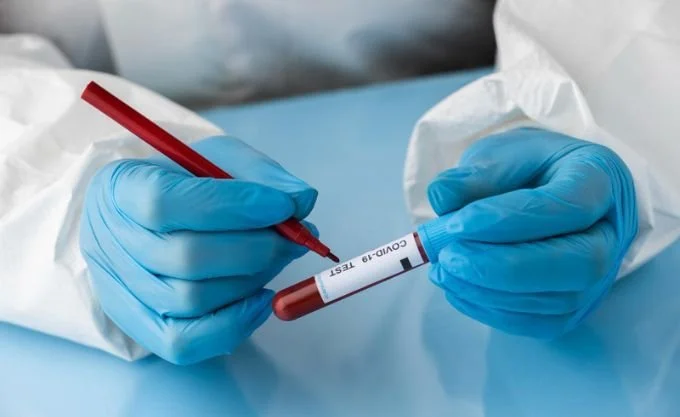
Illustrative photograph. A blood-count result needs clinical context before an elective PRP injection.
A low white blood cell result before PRP deserves an explanation, not an automatic cancellation or an automatic reassurance. White cells, neutrophils and platelets have different roles. The importance of the result depends on which count is low, how low it is, whether it is changing and whether there are signs of infection or an underlying condition. For an elective joint or tendon injection, a significant unexplained blood-count abnormality should be assessed before treatment goes ahead.
This article concerns musculoskeletal platelet-rich plasma. Guidance about joint and tendon injections is not proof of safety or effectiveness for hair or facial PRP. It also does not replace the advice of the clinician managing an established blood disorder or treatment that affects immunity.
What is the difference between white cells and platelets?
A full blood count measures several parts of the blood. Red cells carry oxygen, platelets help with clotting and white cells contribute to the body's defences against infection. Neutrophils are one type of white cell. A report can therefore show a low total white-cell count, a low neutrophil count, a low platelet count or a combination. These are not interchangeable findings.
PRP is prepared from a person's own blood to concentrate platelets. That does not mean the other parts of the blood count can be ignored. Equally, a low neutrophil count does not automatically mean that there are too few platelets to prepare PRP. The clinical question is wider than whether a sample can be processed: is an injection appropriate for this person, for this condition, at this time?
Why does the neutrophil result matter before an injection?
Neutrophils help the body respond to infection. Some causes of neutropenia, the term for a low neutrophil count, increase infection risk, especially when the reduction is marked or accompanied by illness. A needle procedure still involves blood collection, preparation and a break in the skin. Using someone's own blood does not remove the need for infection precautions or assessment.
The relationship between a count and infection risk is not identical in every person. A newly falling result during illness is different from a stable, previously explained result in someone who remains well. The cause, past infections, medicines and the rest of the blood count all matter. A single laboratory flag cannot answer every part of the suitability decision.
What does the PRP consensus actually recommend?
The 2025 International Research Group on Platelet Injections consensus recommends investigating a significant blood-count abnormality before PRP injection. It also recommends an individual benefit-risk assessment before each injection, considering the diagnosis, medical history, associated conditions, medicines and alternatives. These recommendations concern musculoskeletal PRP.
The blood-count recommendation is expert consensus, graded D because direct research is limited. It is not a trial proving one neutrophil threshold safe for every injection. It does not establish a universal number below which all PRP is forbidden or above which treatment is guaranteed safe. A careful assessment should acknowledge that uncertainty rather than turn a guideline into a simplistic booking rule.
When is urgent medical help more important than PRP?
If you have a known low neutrophil count and develop a fever, shaking chills or feel significantly unwell, seek urgent medical advice rather than waiting for an elective PRP appointment. Tell the service that you have neutropenia and give your latest result if available. People receiving chemotherapy or other specialist treatment should follow their team's emergency instructions immediately.
Severe neutropenia with infection can become a medical emergency. Do not wait for a particular temperature if you are rapidly becoming unwell. Confusion, severe breathlessness, collapse or signs of a serious infection require emergency help. A routine enquiry message to a clinic is not an emergency route and should not delay assessment.
Recurrent mouth ulcers, repeated infections or a new pattern of unexplained illness also deserve clinical review, even without a dramatic acute episode. The priority is to understand the blood-count finding and manage any infection. PRP is elective and can be reconsidered after that assessment; proceeding quickly is not more important than getting the underlying situation right.
Why can an otherwise healthy person have a low count?
A lower count can follow a viral illness or relate to a medicine. Other possible causes include autoimmune conditions, nutritional deficiencies and disorders affecting blood-cell production. The list is broad, so one result does not identify the cause. The NHS notes that a low white-cell count may produce no symptoms, while repeated infections can sometimes bring it to attention.
There are also people whose usual circulating neutrophil count is lower without an increased infection risk. This is one reason that previous results and an accurate clinical history are so useful. The clinician needs to distinguish an established individual pattern from a new change. A lower result should neither be dismissed without context nor treated as proof of a serious blood disorder.
What is Duffy-null associated neutrophil count?
Duffy-null associated neutrophil count, also called ACKR1/DARC-associated neutropenia, is a recognised genetic explanation for persistently lower circulating neutrophils without increased infection risk in affected otherwise healthy people. NHS genomic guidance warns that failure to recognise it can lead to unnecessary exclusion from treatments with fixed blood-count rules.
It must not be diagnosed from someone's appearance or assumed ancestry. Other causes need consideration, and the NHS genomic guidance describes confirmation through haematology. A letter documenting an established diagnosis can be helpful when a new clinician reviews an apparently abnormal result. That documentation explains the count; it does not by itself prove that PRP will benefit the joint or tendon being treated.
What should a clinical review include?
The starting point is the actual report, including the absolute neutrophil count, its units, the laboratory reference interval and the other blood-count results. A screenshot showing only a red flag can leave out important information. Previous results help show whether the finding is new, persistent, fluctuating or already investigated.
A review also considers recent infections, fever, recurrent mouth ulcers, other symptoms and all medicines. Changes affecting haemoglobin or platelets as well as white cells may change the assessment. Examination and further investigations depend on the clinical picture. European haematology guidance describes a structured approach, rather than a single blood test that clears everyone for a procedure.
Not every mildly low result needs an extensive investigation or a bone-marrow test. Equally, an unexplained persistent or worsening count should not be bypassed because a PRP appointment has been arranged. The appropriate next step may be a repeat count, review of previous specialist findings, targeted tests or haematology advice. The clinician should explain why that step would change the decision.
Should medicines be stopped before PRP?
Do not stop prescribed treatment simply to improve a blood result or make yourself eligible for PRP. Some medicines can affect neutrophils, but changing them may cause other harm. The decision needs the prescribing clinician, especially for treatments used for autoimmune disease, mental health conditions, thyroid disease, cancer or transplantation.
Bring a complete list, including recent antibiotics, over-the-counter products and supplements. If a medicine is suspected of causing a significant blood-count problem, that requires a prompt medical plan, not a self-directed pause until the injection date. The plan should make clear who is reviewing the result and when reassessment is needed. PRP should not disrupt essential care.
Are repeat blood tests always necessary?
Not automatically. The timing and choice of tests depend on the severity of the result, symptoms, previous results and any established explanation. A clinician may want to confirm an unexpected finding or check whether a post-viral change has resolved. An existing specialist monitoring plan may already provide the information needed.
There is no single repeat interval suitable for everyone. Local haematology pathways use different timing for different levels and clinical circumstances, and symptomatic illness can require immediate assessment rather than a routine repeat. Paying for a broad panel without a clear question is not the same as a useful assessment. The aim is to answer the specific safety question with the right information.
Does leukocyte-poor PRP solve a low white-cell count?
No. Leukocyte-rich and leukocyte-poor describe aspects of a PRP preparation. They are not treatments for neutropenia and should not be used as a way to bypass investigation of an unexplained abnormal count. A preparation method cannot establish that there is no infection or explain why a person's neutrophils are falling.
The choice of preparation belongs within the evidence for the particular joint or tendon problem. A lower white-cell content in the injected product and a low circulating neutrophil count in the person are different issues. Keeping those questions separate helps prevent a technical explanation about PRP processing from replacing a clinical suitability assessment.
If the count is explained, is PRP then the right treatment?
Suitability and effectiveness are separate decisions. A reassuring explanation for a blood count may remove one concern, but it does not establish that PRP is the best option for pain. The diagnosis still needs to be clear, and the evidence differs between conditions. A knee-joint problem, tendon pain and inflammatory arthritis should not be treated as one indication.
The discussion should cover rehabilitation, activity and loading changes, other treatments and the possibility that an injection is not appropriate. If PRP is considered, the expected aim, limits, risks and review plan should be clear. Blood-count assessment is part of selecting care thoughtfully, not a promise of healing, cartilage regrowth or a particular result.
How can a PRP assessment be planned well?
For clients considering joint or tendon PRP, the useful information is the diagnosis or reason for seeking treatment, the full blood-count report, previous results, a current medicine list and relevant specialist correspondence. Existing scans or reports about the painful area may also help. This allows the count and the proposed treatment to be considered together rather than in isolation.
The London PRP Clinic can be contacted to discuss the appropriate next step before arranging treatment. Explain that a low white-cell or neutrophil result has been reported. The appointment type, need for any further review, intended treatment and fees should be confirmed before booking. An enquiry does not commit you to an injection or imply that blood tests, specialist advice or treatment are included.
Contact the team about PRP suitability after a low neutrophil result.
Frequently asked questions
Does a low white-cell count mean I cannot have PRP?
Not necessarily. The type of low count, its cause, trend and clinical context matter. A significant unexplained abnormality should be assessed before an elective injection. A stable previously investigated result may lead to a different decision from a new reduction with symptoms, but suitability still needs an individual clinical review.
Is a low platelet count the same as low neutrophils?
No. Platelets help clotting and are concentrated in PRP; neutrophils are white cells involved in infection defence. A full blood count can show an abnormality in either or both. Guidance about platelet counts must not be reused as a neutrophil clearance threshold.
What if I have a fever before my appointment?
Seek urgent medical advice if you have known neutropenia and develop fever, shaking chills or significant illness. Follow any emergency instructions from your treating specialist. Do not wait for the PRP appointment, a routine message response or a repeat blood test to address possible infection.
Can a Duffy-null result be harmless?
Duffy-null associated neutrophil count can explain persistently lower counts without increased infection risk in otherwise healthy people. It needs a proper clinical explanation rather than an assumption based on ancestry. Established haematology documentation can help the PRP clinician interpret the result without imposing an inappropriate blanket rule.
Should I stop a medicine to raise my neutrophils?
Do not make that change yourself. Medicines can be relevant, but stopping essential treatment may be harmful. The prescriber should decide whether a change is needed and arrange monitoring. An elective PRP procedure should not take priority over safe management of the underlying condition.
Will leukocyte-poor PRP make treatment safe?
The preparation name cannot answer that. It does not treat neutropenia, rule out infection or explain an abnormal count. The clinician still needs to assess the blood result, the reason for the proposed injection and whether the likely benefit justifies proceeding.
Sources
NHS, Low white blood cell count
NHS Genomics Education, ACKR1/DARC-associated neutropenia
Norfolk and Norwich University Hospitals, Neutropenia in adult patients
European Hematology Association, Guidelines on diagnosis and management of neutropenia, 2023
American Family Physician, Neutropenia: evaluation and management in primary care, 2025