
PRP for Frozen Shoulder - Telling It Apart From a Tendon Problem and What Actually Helps.
Frozen shoulder, medically called adhesive capsulitis, is often confused with rotator cuff tendinopathy because both cause shoulder pain, but they are entirely different conditions with different treatment and a different natural course, and getting the diagnosis right changes everything about what happens next.
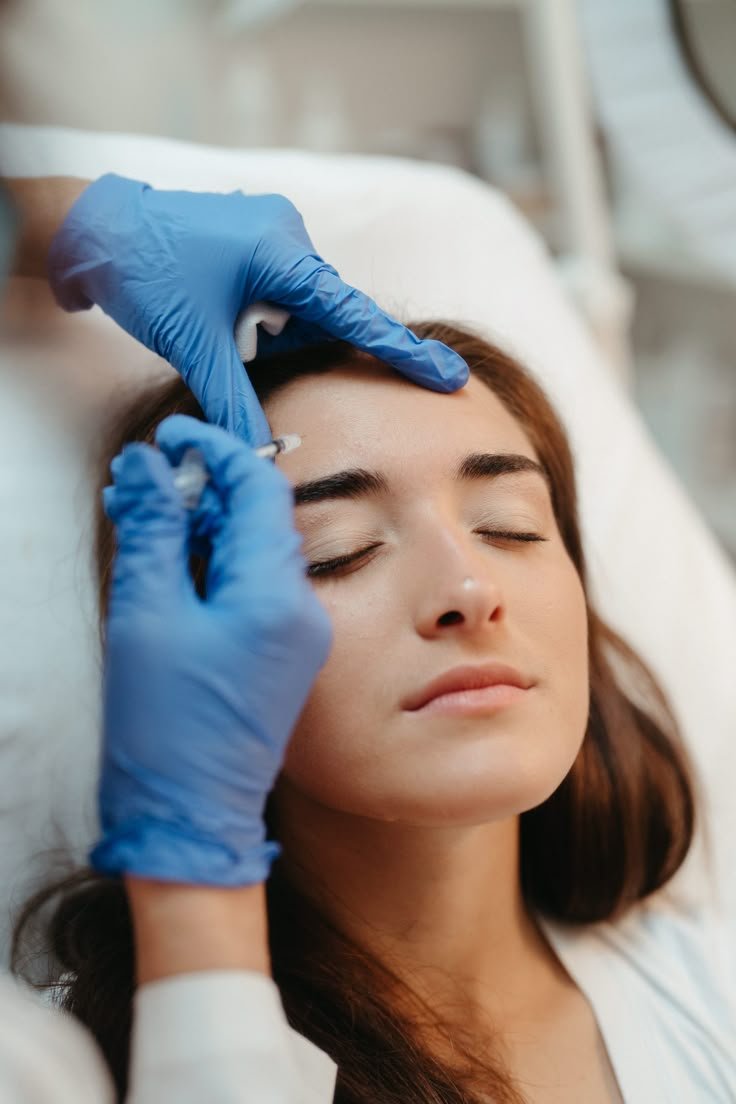
Botox for Migraines in London. The Doctor-Led, Evidence-Based Guide
Botox is NICE-recommended for chronic migraine, 155 to 195 units every 12 weeks, with 30 to 50 percent fewer headache days after two cycles. A doctor-led guide. The London PRP Clinic by The Wellness.
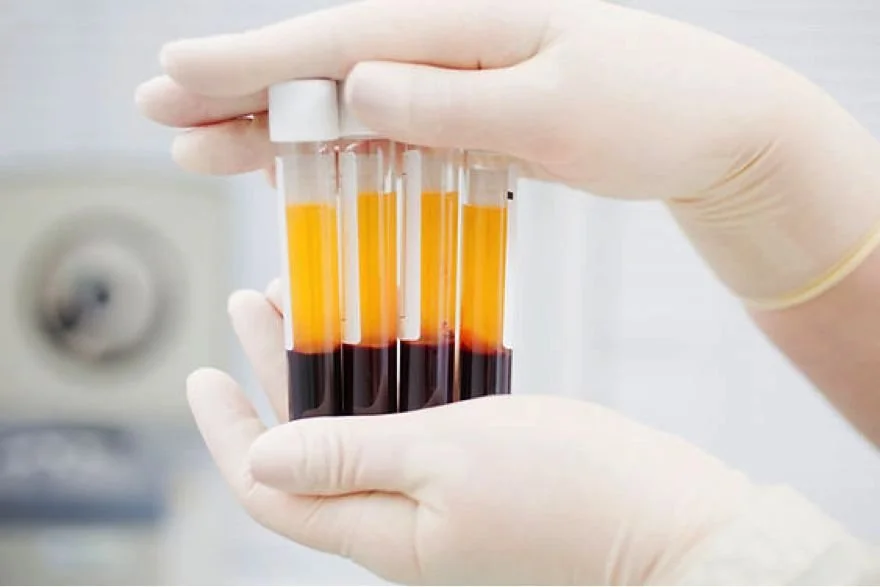
Does PRP Actually Work. The Evidence, Condition By Condition
PRP works well for some conditions, moderately for others and not reliably for a few, and clinics rarely make that distinction. The evidence is strong for pattern hair loss and tennis elbow, good for plantar fasciitis and patellar tendinopathy, mixed for Achilles tendinopathy and hip osteoarthritis, and contested for knee osteoarthritis. This page maps all of it, including the parts that do not help us.

PRP for Patellar Tendinopathy in London. Doctor-Led Treatment for Jumper's Knee That Will Not Settle.
Patellar tendinopathy, widely known as jumper's knee, is one of the most common overuse injuries in sports involving jumping and rapid changes of direction, and it is also one of the most frequently mismanaged, because the instinct to rest completely is often the wrong one and the pain can persist for months or years in athletes who never receive a structured loading programme.
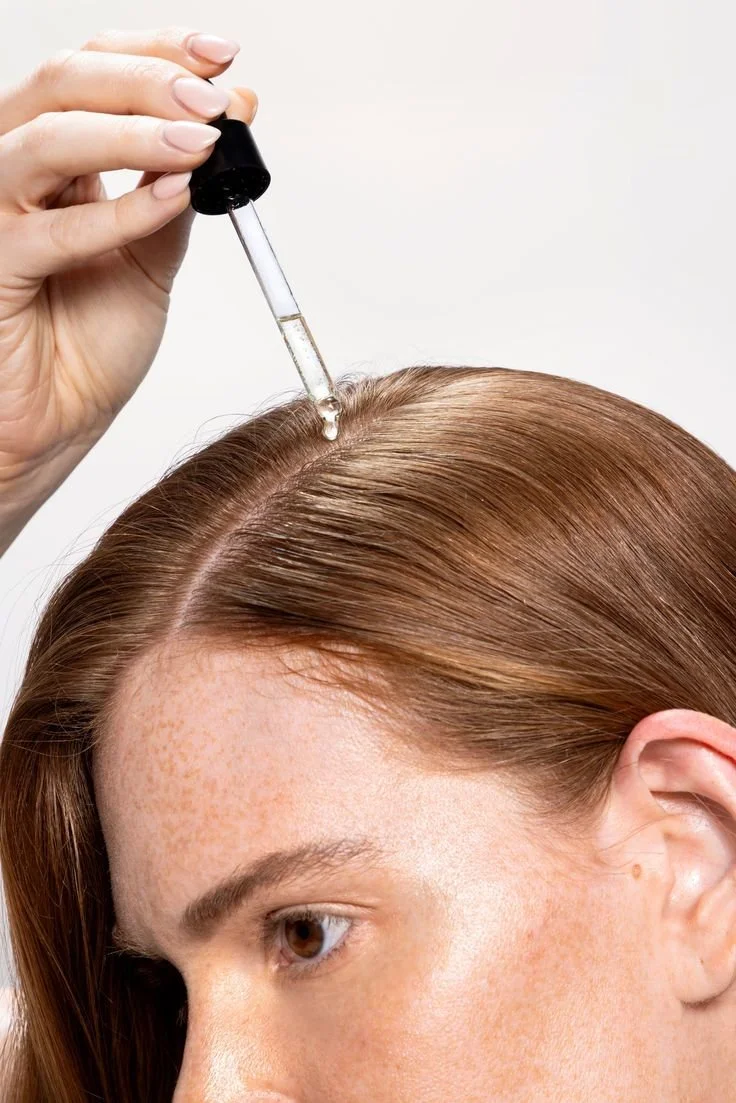
Does Rosemary Oil Work For Hair Growth. A Doctor Reviews The Evidence
Rosemary oil has one genuine randomised trial behind it. In 2015, Panahi and colleagues randomised 100 people with pattern hair loss to rosemary oil or minoxidil 2 percent for six months and found comparable increases in hair count, with less scalp itching in the rosemary group.
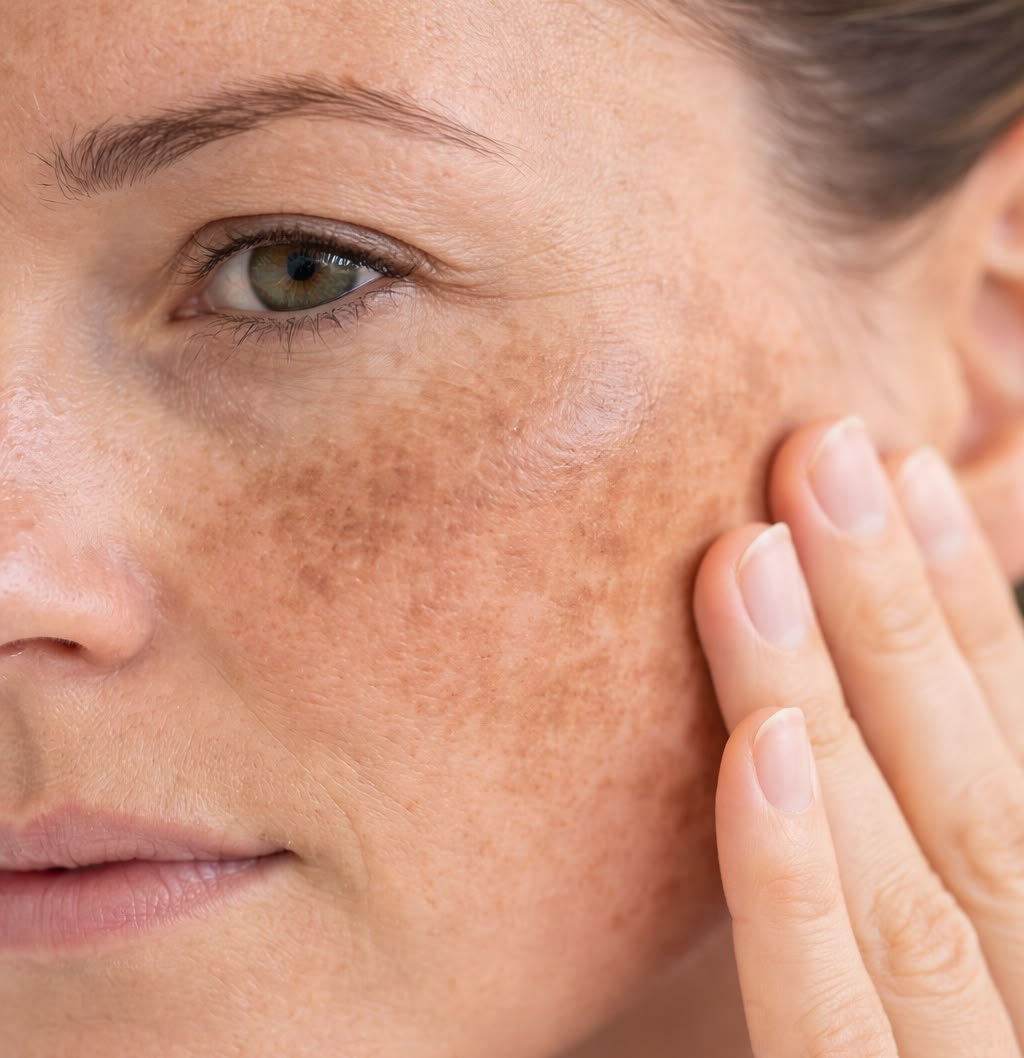
Melasma and Hyperpigmentation - Why It Is So Stubborn and Where Regenerative Treatment Genuinely Fits
Melasma is one of the most misunderstood pigmentation problems people bring to a clinic, largely because it is repeatedly treated the same way as ordinary sun damage when the two are driven by different mechanisms and respond to different things.

Mesotherapy in London. The Doctor-Led Guide for Skin and Hair
Mesotherapy delivers vitamins and nutrients into the skin or scalp for glow and hydration. An honest, doctor-led guide for London. The London PRP Clinic by The Wellness, Marylebone.

PRP for Achilles Tendinopathy - The Doctor-Led Pathway for a Tendon That Will Not Settle.
Achilles tendinopathy is one of the most stubborn injuries in sports medicine, and the reason is structural rather than a lack of effort on the patient's part. A degenerated tendon has poor blood supply, which is exactly why rest alone so often fails to resolve it and why the tendon can remain painful for months or years after the original trigger has been forgotten.
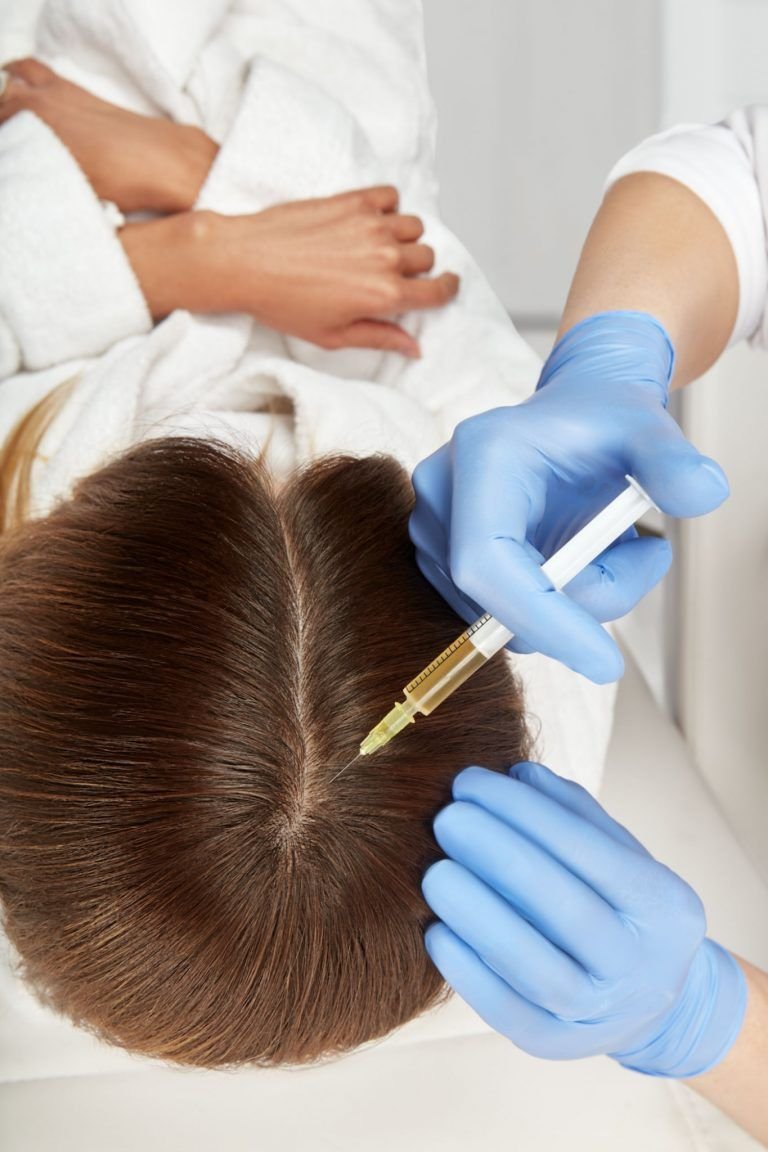
Best PRP Clinic In London 2026. How The Options Compare
The best PRP clinic for you depends on what you are treating, because PRP for hair, face and joints are performed by different types of provider with different capabilities. Seven criteria separate a clinic that produces results from one that sells injections, and the most important is whether your condition is diagnosed before it is treated.
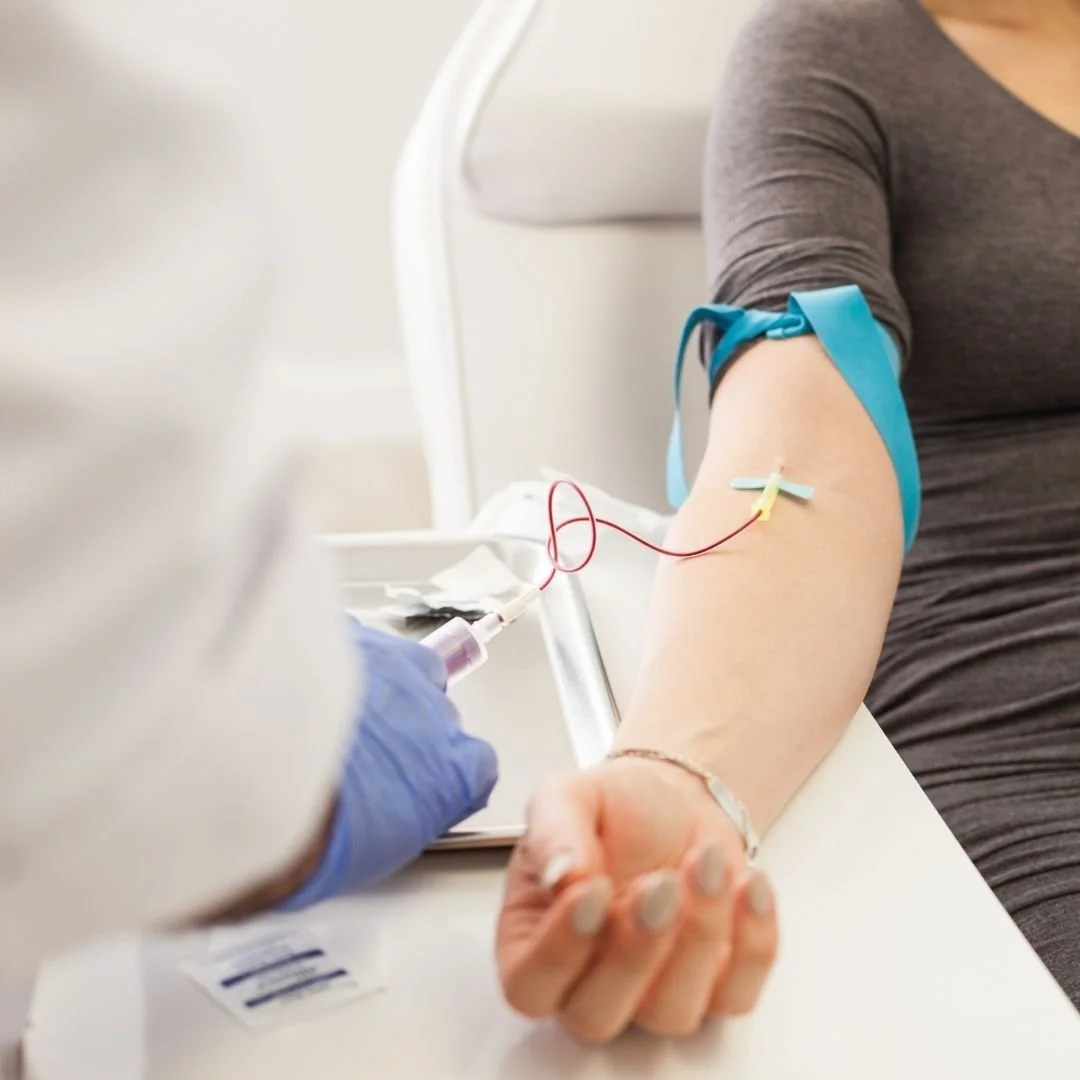
Blood Tests For Hair Loss. What To Test And Why It Matters
Hair loss has many drivers, and several of the most common are invisible on the scalp because they live in your blood rather than your follicles. Low iron stores, an underactive or overactive thyroid, low vitamin D, B12 or zinc, and hormonal imbalances can all cause or worsen shedding and thinning, and none of them respond to PRP, minoxidil or any scalp treatment, because the problem is not in the follicle at all.
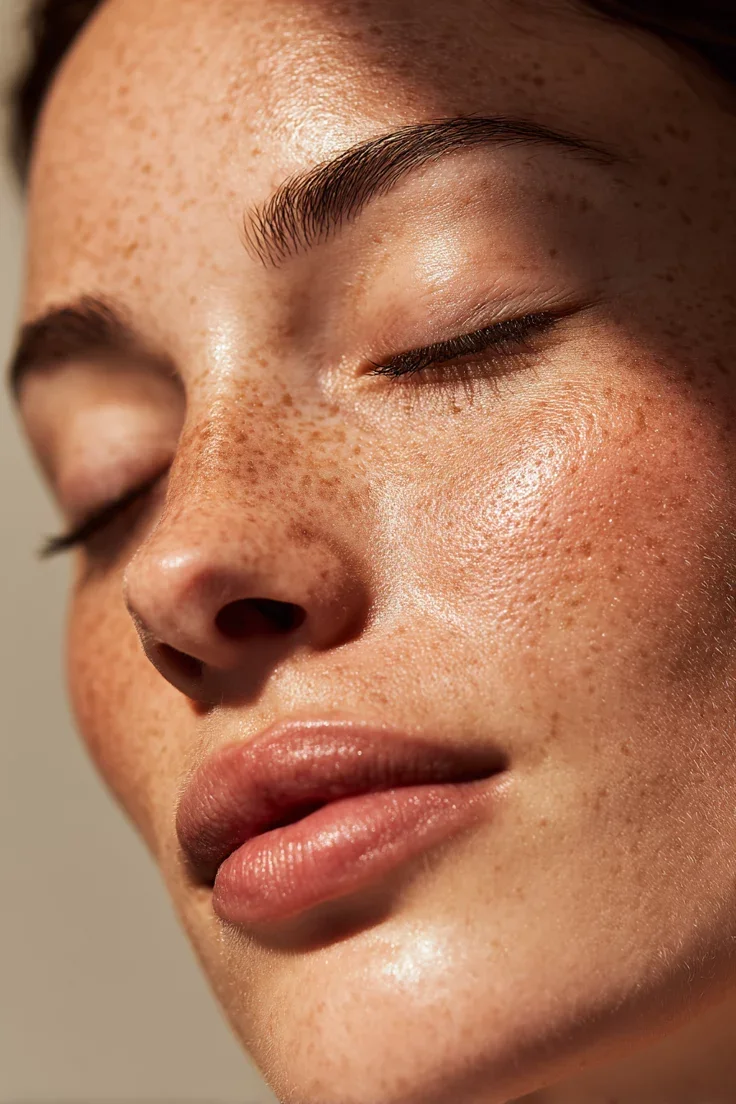
Pigmentation and Age Spots in London. The Doctor-Led Guide
Sun spots and pigmentation in London, treated by type and assessed for safety first. A doctor-led guide. The London PRP Clinic by The Wellness, Marylebone.
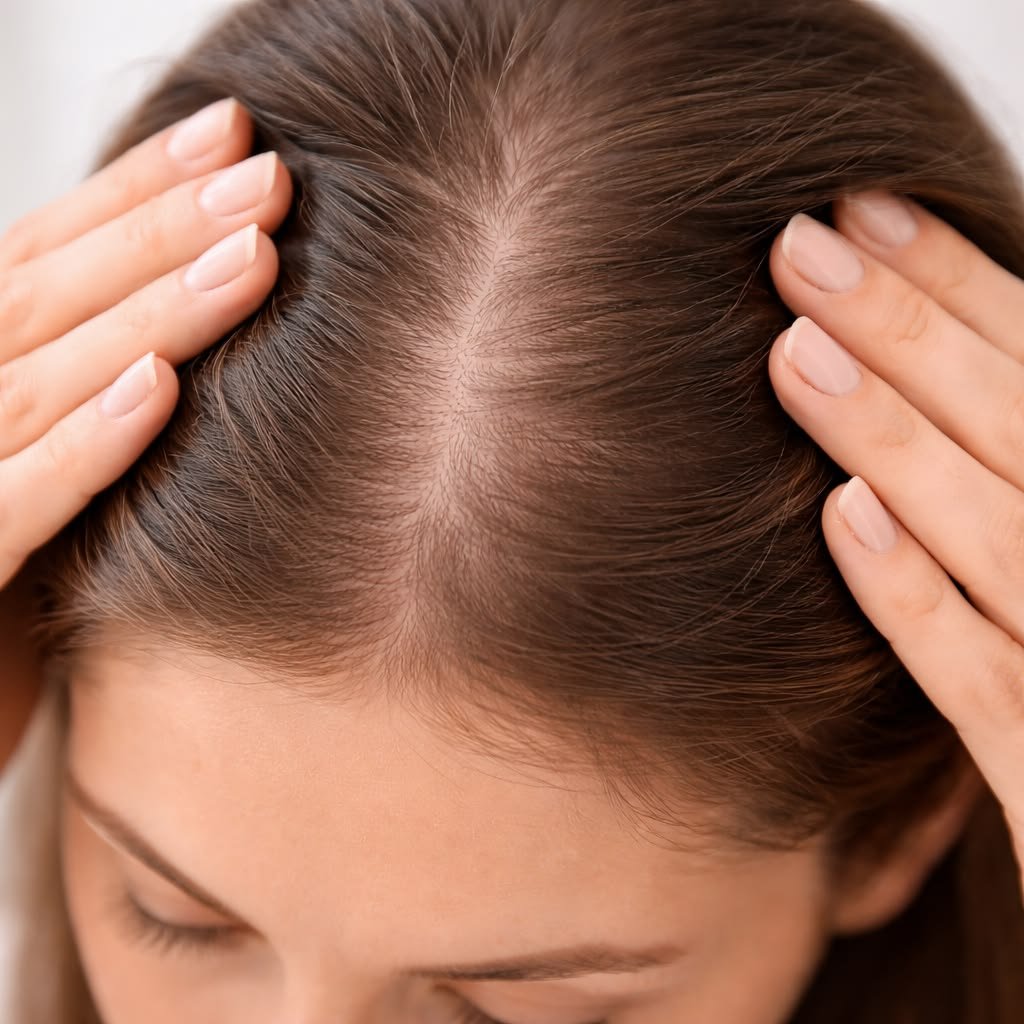
Is My Hair Loss Permanent. Can It Grow Back
Whether hair can grow back comes down to one thing, the state of the follicle. A follicle that is miniaturising, producing finer and weaker hair than it used to, is still alive and can often be revived. A follicle that has closed, leaving smooth shiny scalp with no visible openings, is gone, and no injection or medication brings it back.
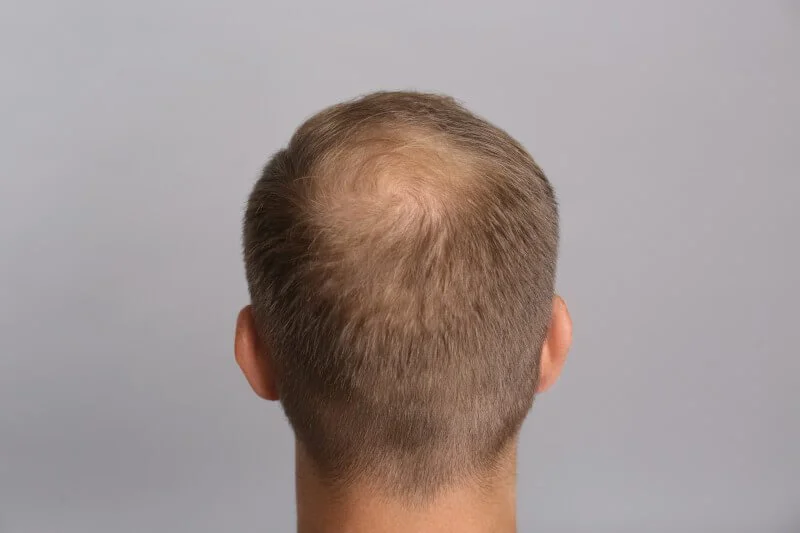
Thinning Crown And Vertex. Treatment For The Back Of The Head
The crown, or vertex, is often where pattern hair loss shows first, and because it sits at the back of the head it is easy to miss until a photograph or a second mirror gives it away. That delay matters, because early crown thinning is one of the most treatable presentations there is, since the follicles are miniaturising rather than gone, while a crown left for years can progress to a smooth bald patch that no longer responds.

Crepey Skin Treatment in London. The Doctor-Led Guide
Crepey skin on the neck, decolletage, arms or under-eyes, treated by rebuilding collagen from within. A doctor-led guide. The London PRP Clinic by The Wellness, Marylebone.
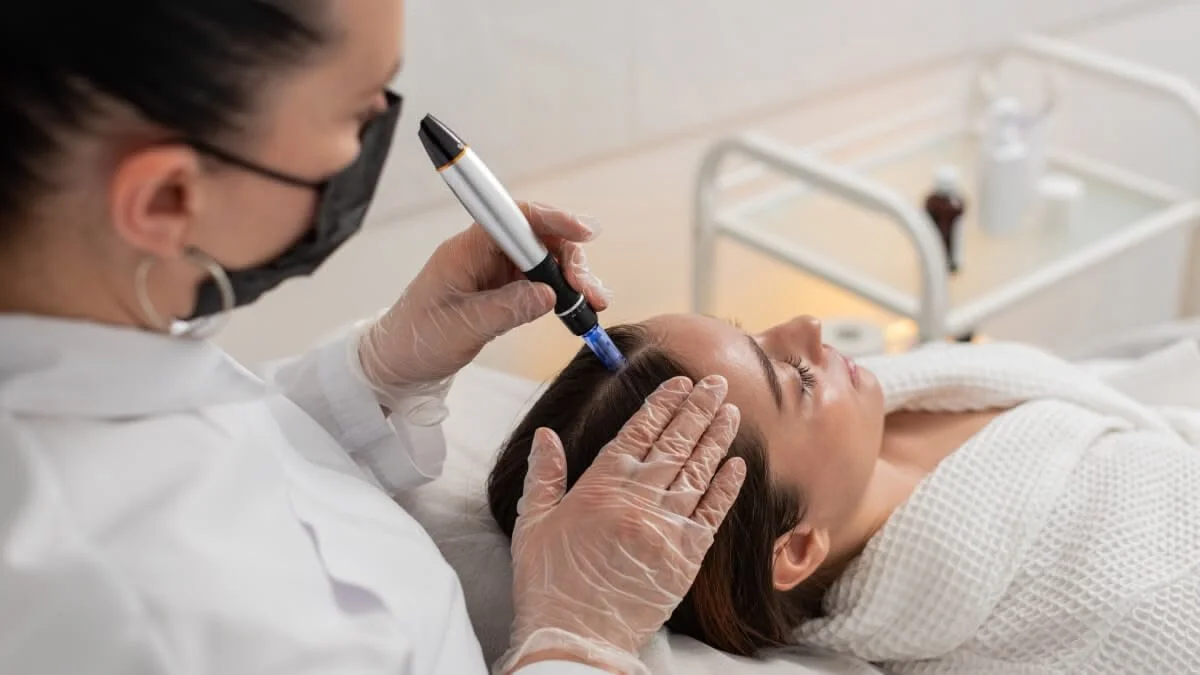
PRP vs Polynucleotides vs Exosomes How to Choose the Right Regenerative Treatment
Regenerative aesthetics now has three headline treatments, and they are constantly confused with one another. PRP, made by concentrating the platelets in your own blood, polynucleotides, purified DNA fragments that stimulate the skin's own repair and exosomes, the tiny signalling messengers that carry instructions between cells.
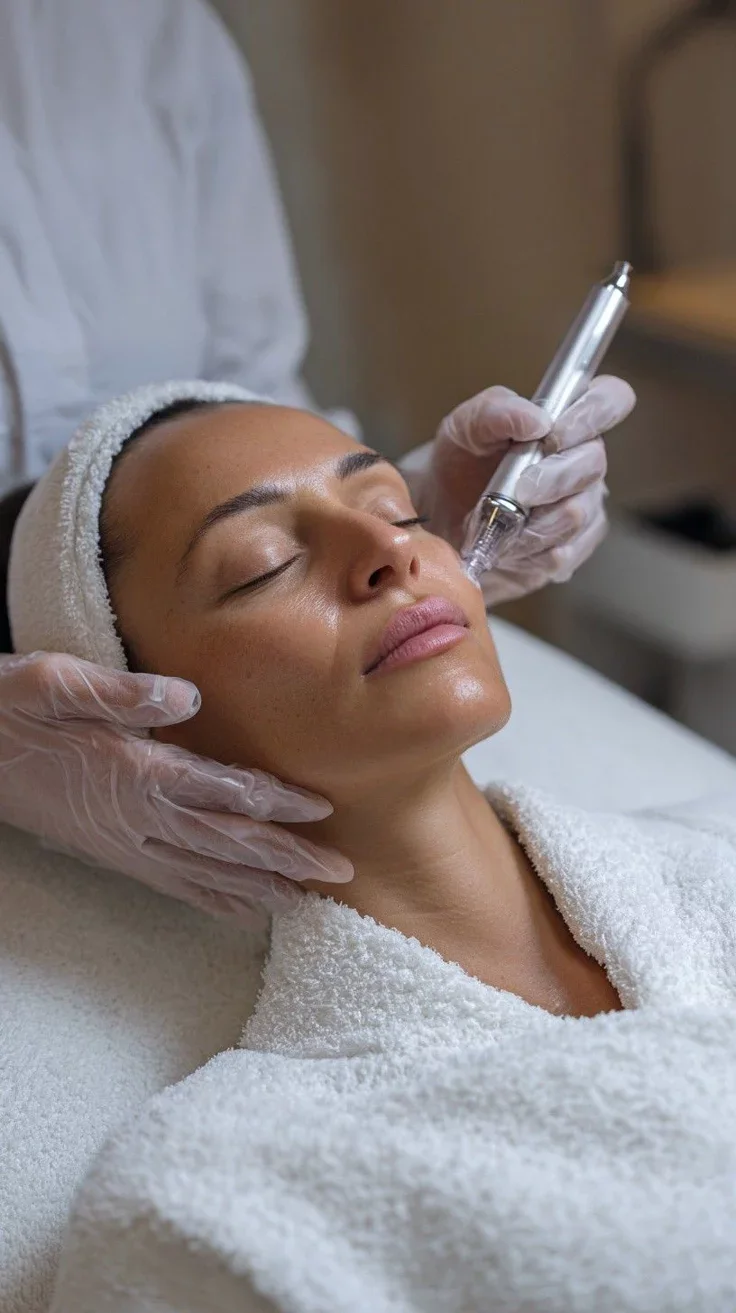
Bridal Skin and Wedding Prep in London. The Doctor-Led Treatment Timeline
The doctor-led treatment timeline for glowing wedding-day skin, what to do 12 months out to the final week. The London PRP Clinic by The Wellness, Marylebone.
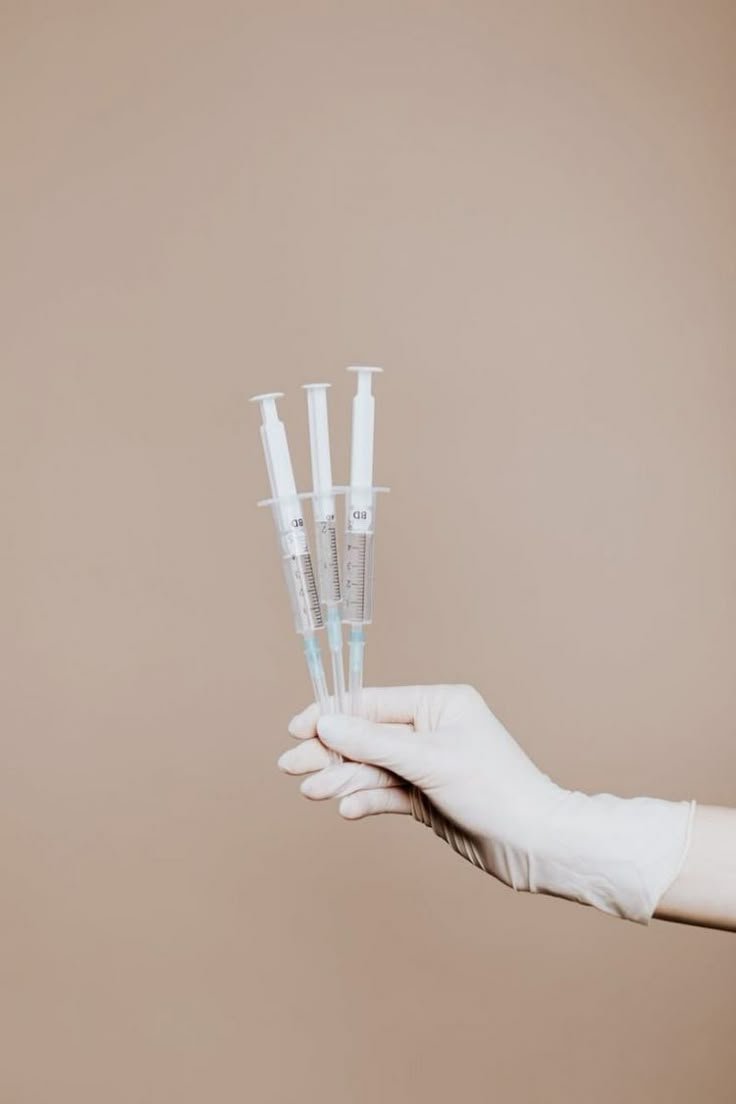

Tear Trough Treatment in London. The Safer, Doctor-Led Approach
Tear trough treatment in London, where polynucleotides offer a safer alternative to filler in this high-risk area. Doctor-led and honest. The London PRP Clinic by The Wellness.
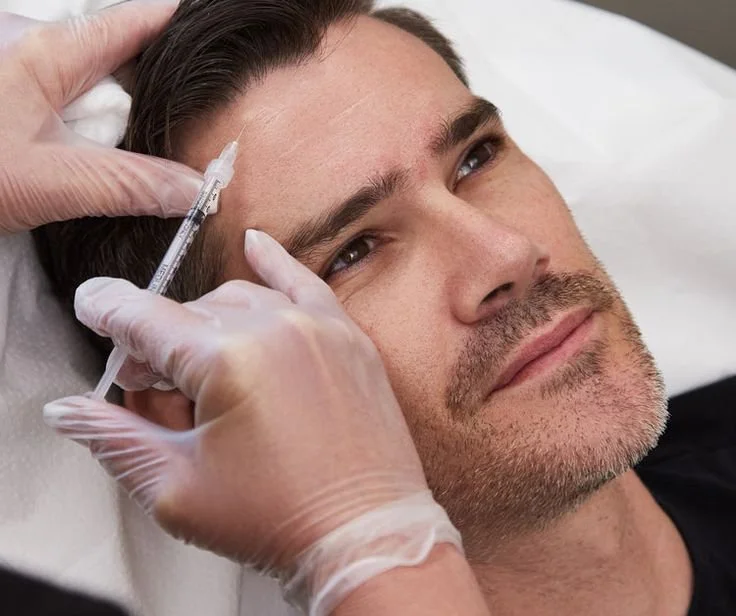
Men's Aesthetics in London. The Complete Doctor-Led Guide
Men's aesthetics done naturally and discreetly, from hair loss to jawline to a refreshed, never-frozen look. A doctor-led guide. The London PRP Clinic by The Wellness, Marylebone.
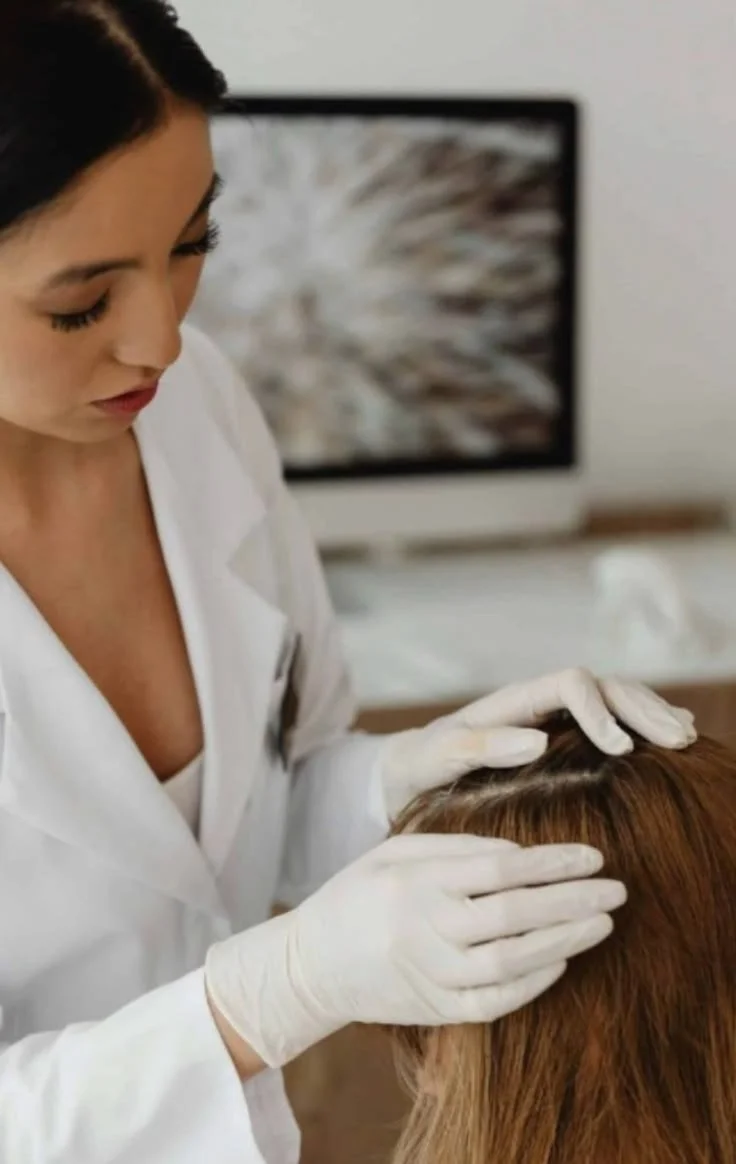
PRP Training Course London. The Standard We Train To
PRP Training Course London | Doctor-Led Certification At The Academy | The London PRP Clinic by The Wellness Meta Description. A doctor-led PRP training course in London covering hair, face and ultrasound-guided joint PRP. Theory, exam, live models, certification. Application only. Email concierge@thelondonprpclinic.com.