Thyroid Hair Loss London. Will It Grow Back?
Both an underactive and an overactive thyroid can cause hair loss, usually as diffuse thinning across the whole scalp that appears several months after the thyroid problem began. Once thyroid levels are corrected, regrowth is usual but takes months and may be incomplete. When hair does not recover, a second treatable cause such as low iron is often present.
Key points
Hypothyroidism affects about 2 percent of the UK population and more than 5 percent of people over 60, and women are 5 to 10 times more likely to be affected than men, according to NICE.
Hyperthyroidism affects around 2 percent of UK women and 0.2 percent of men, according to NICE.
The British Thyroid Foundation states that regrowth is usual with successful thyroid treatment, but it takes several months and may be incomplete.
Alopecia areata, which causes round bald patches, occurs more often than expected in people with autoimmune thyroid disease.
At The London PRP Clinic by The Wellness, a hair consultation with full scalp examination and trichoscopy is from £300, and a targeted blood panel through The Online GP by The Wellness is from £295.
Thyroid treated but hair still thin? Message our doctors on WhatsApp or email team@thewellnesslondon.com.
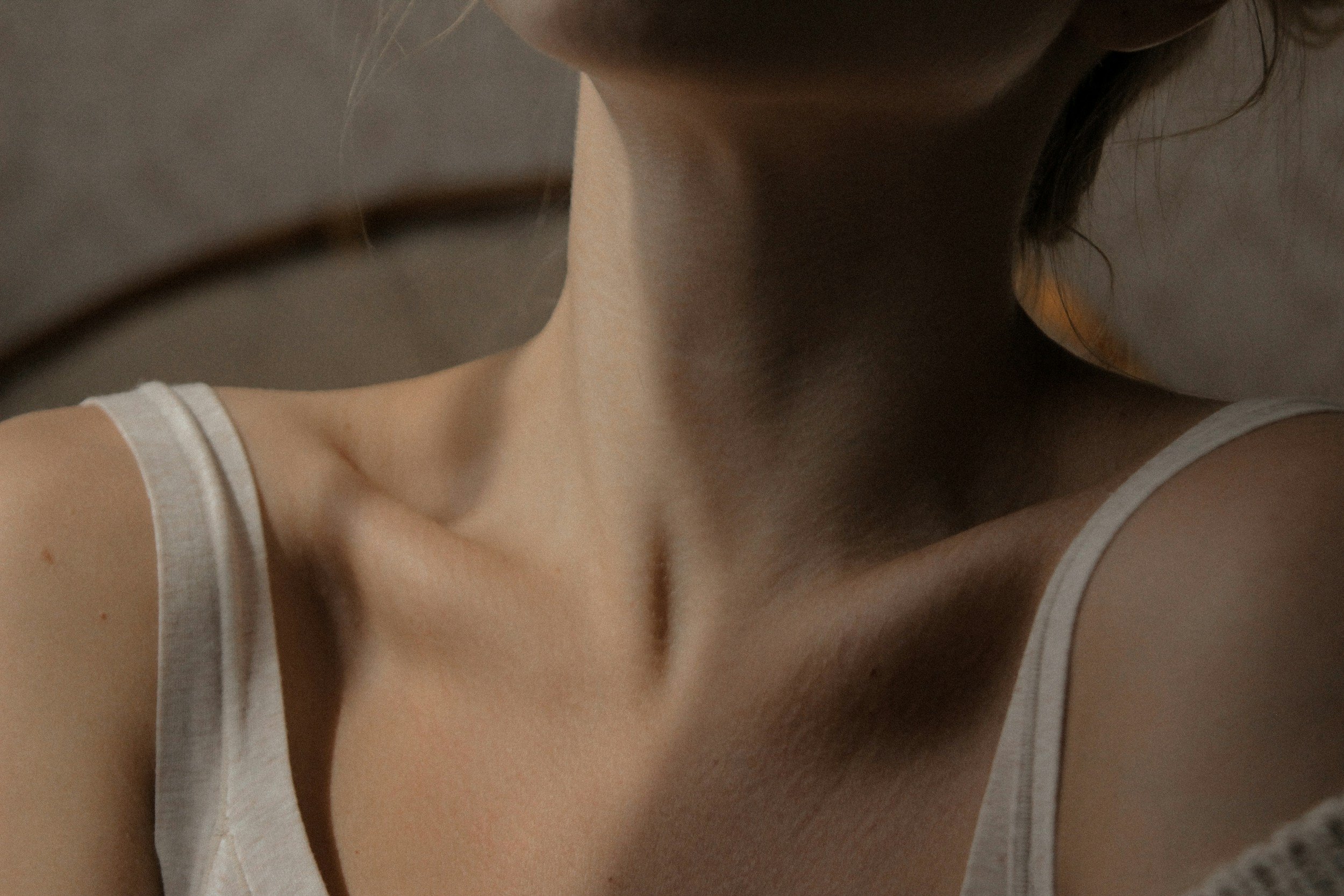
How does the thyroid affect hair?
Thyroid hormones help set the pace of cell activity throughout the body, including in hair follicles, which are among the fastest-dividing tissues we have. When thyroid hormone is too low or too high for a prolonged period, more follicles leave the growth phase early and enter the resting phase. A few months later, those hairs are shed together.
Because of this delay, many people notice hair loss after their thyroid diagnosis, or even after starting treatment, and assume the medicine is responsible. More often, the shedding reflects the months before treatment began.
Underactive thyroid
Hypothyroidism, most often caused by Hashimoto's thyroiditis, can make hair dry, coarse and brittle as well as thinner. Some people notice thinning of the outer third of the eyebrows. Other symptoms include tiredness, feeling cold, weight gain, constipation and heavy periods, which can lower iron stores and add to hair loss.
Overactive thyroid
Hyperthyroidism, most often caused by Graves' disease, can make hair fine and soft, with diffuse shedding. Other symptoms include weight loss, a fast heartbeat, anxiety, tremor and feeling hot. Graves' disease occurs mostly in women aged 30 to 60.
After pregnancy
Thyroid inflammation in the year after birth is common and can cause hair loss alongside normal postpartum shedding. We explain the overlap in postpartum hair loss.
What are the signs that hair loss is thyroid related?
Diffuse thinning across the whole scalp rather than a receding hairline or a single patch. Hair that has become dry, brittle or unusually fine. Thinning eyebrows. Shedding alongside tiredness, weight change, palpitations or feeling persistently hot or cold. A personal or family history of thyroid disease, type 1 diabetes, vitiligo or other autoimmune conditions.
These signs overlap with low iron, stress and pattern hair loss, so a blood test and a scalp examination are the only reliable way to separate them. Our guide to telogen effluvium and hair shedding helps put shedding in context.
Want to know whether your thyroid is involved? Ask our doctors on WhatsApp.
Which blood tests do you need for thyroid hair loss?
Thyroid function
A full thyroid panel measures thyroid stimulating hormone, known as TSH, alongside free T4 and, where relevant, free T3. TSH alone can miss problems in some people, particularly those with pituitary conditions or who are already on treatment.
Thyroid antibodies
Thyroid peroxidase antibodies show whether autoimmune thyroid disease is present, sometimes years before thyroid levels change. A positive result also raises our attention to alopecia areata.
Everything else that drives shedding
Thyroid disease rarely travels alone. We check ferritin and full iron studies, vitamin D, B12, folate, zinc, a full blood count and HbA1c, because heavy periods from an underactive thyroid can lower iron, and low iron alone can hold back regrowth. The full panel is in the hair loss blood panel, and the iron story is in low ferritin and hair loss.
Will hair grow back after thyroid treatment?
Usually, yes. The British Thyroid Foundation states that regrowth is usual with successful treatment, though it takes several months and may be incomplete. In practice, shedding often slows within 3 to 6 months of thyroid levels settling, and visible thickening follows over the next 6 to 12 months, because each new hair grows at roughly 1 centimetre a month.
When hair does not recover
If thyroid levels have been stable for 6 months or more and hair is still thin, look for a second cause. The most common are low ferritin, female or male pattern hair loss revealed by the shedding, and alopecia areata. Each needs a different treatment, and none of them will improve by adjusting thyroid medicine alone.
Does thyroid medicine cause hair loss?
The British Thyroid Foundation notes that antithyroid drugs such as carbimazole can, rarely, cause diffuse hair loss. Levothyroxine is not usually the cause. Shedding in the first months of levothyroxine more often reflects the period before treatment. Do not stop or change thyroid medicine without speaking to the doctor who prescribes it.
What helps thyroid hair loss?
Treat the thyroid first
Thyroid treatment is managed by your GP or endocrinologist. We work alongside them, and we will write to your GP if results suggest your treatment needs review.
Correct what else is missing
Low ferritin, vitamin D or B12 are corrected before or alongside any hair treatment, and we recheck levels to confirm they have recovered.
Support regrowth
Once thyroid levels are stable, PRP can support recovering follicles and is particularly useful when pattern hair loss has been revealed. A 2024 meta-analysis of randomised trials in women by Yuan and colleagues found PRP improved hair thickness and density and reduced shedding compared with control treatment. Topical minoxidil is another option. Our full guides are PRP for women's hair loss and PRP hair treatment London. If you have round bald patches, see alopecia areata treatment.
How much does a thyroid and hair check cost in London?
At The London PRP Clinic by The Wellness, there are 3 ways to begin.
A targeted blood panel through The Online GP by The Wellness is from £295, or a comprehensive panel from £495, including full thyroid function with antibodies and iron studies.
A hair consultation with full scalp examination and trichoscopy is from £300, included at the first session if you go on to a course of PRP.
If treatment is right for you, PRP is from £450 per session or £1,200 for a course of 3.
Ask about a thyroid and hair check. Message us on WhatsApp.
Why people choose The London PRP Clinic by The Wellness
Every treatment is performed by a GMC-registered doctor, and no clinician treats a patient here until they have completed 100 supervised treatments. Every hair plan begins with trichoscopy and a full blood panel, so thyroid, iron and hormonal causes are found together rather than one at a time. We work with your GP or endocrinologist, and we tell you plainly when your hair needs time rather than treatment.
We see patients across our London clinics, including 10 Portman Square in Marylebone and The Wellness at The Light Centre in Belgravia. Across our work we report an 87 percent patient success rate and more than 187 five-star reviews. How we practise is set out in our clinical standards.
Book your hair consultation. Message us on WhatsApp, email team@thewellnesslondon.com, or call +44 20 3951 3429.
Frequently asked questions about thyroid hair loss
Can thyroid problems cause hair loss?
Yes. Prolonged underactive or overactive thyroid can cause diffuse thinning across the whole scalp, usually appearing several months after the thyroid problem began.
Will my hair grow back after thyroid treatment?
Regrowth is usual once thyroid levels are corrected, according to the British Thyroid Foundation, but it takes several months and may be incomplete. If hair is still thin after 6 months of stable levels, look for a second cause such as low iron.
Does levothyroxine cause hair loss?
Levothyroxine is not usually the cause. Shedding in the early months of treatment more often reflects the period before treatment began. Antithyroid drugs such as carbimazole can rarely cause hair loss.
Which blood tests should I have for thyroid hair loss?
TSH, free T4 and free T3, thyroid peroxidase antibodies, ferritin and iron studies, vitamin D, B12, folate, zinc and a full blood count.
Is thyroid disease linked to alopecia areata?
Yes. Alopecia areata occurs more often than expected by chance in people with autoimmune thyroid disease.
Does PRP help thyroid hair loss?
PRP is not a substitute for thyroid treatment. Once thyroid levels are stable, it can support regrowth, particularly when pattern hair loss has been revealed.
References
British Thyroid Foundation. Hair loss and thyroid disorders. btf-thyroid.org
National Institute for Health and Care Excellence. Thyroid disease. Assessment and management. NG145. Context. nice.org.uk
Yuan J, He Y, Wan H, Gao Y. Effectiveness of platelet-rich plasma in treating female hair loss. A systematic review and meta-analysis of randomized controlled trials. Skin Research and Technology. 2024. doi.org/10.1111/srt.70004
This article is for information and does not replace personal medical advice. All treatments at The London PRP Clinic by The Wellness are performed by GMC-registered doctors. Reviewed by a GMC-registered doctor at The London PRP Clinic by The Wellness. Last updated October 2026.