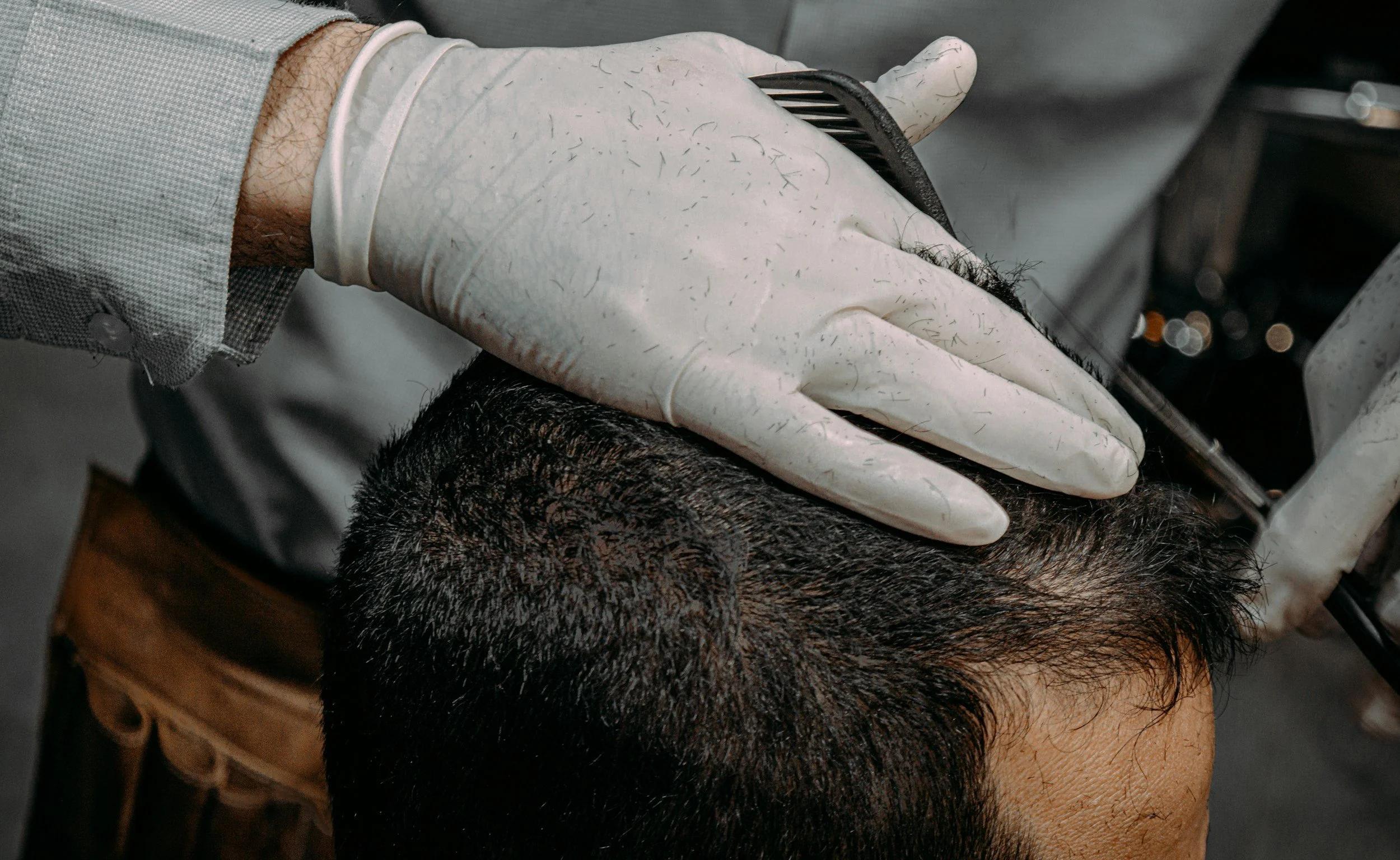
Alopecia Areata Treatment London. JAK Inhibitors, Steroid Injections And PRP
Patchy hair loss from alopecia areata can often regrow. A GMC-registered doctor explains steroid injections, PRP as a steroid-free option, the new JAK inhibitors and their NHS status, and which blood tests to have.
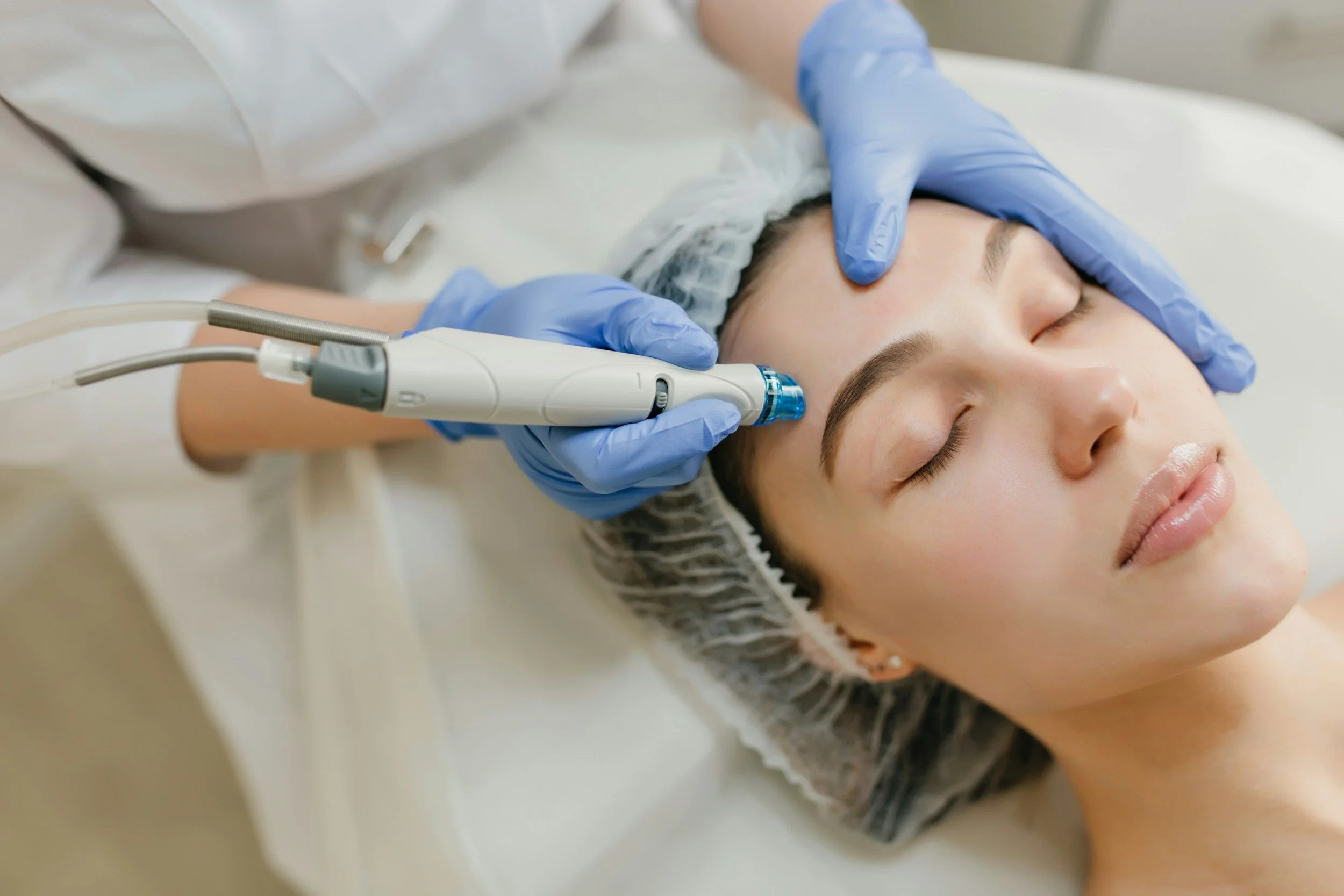
Ozempic Face Treatment London. What Causes It And What Helps
Ozempic face is facial hollowing after rapid weight loss on Mounjaro, Wegovy or Ozempic. A GMC-registered doctor explains what causes it, how to tell volume, skin quality and structure apart, and what actually helps.

New Hair Loss Treatments 2026. Clascoterone And PP405 Explained
Clascoterone and PP405 are the most talked-about hair loss treatments of 2026. A GMC-registered doctor explains the trial data, when they may reach the UK, and what protects your hair in the meantime.

Hair Breakage or Shedding? How to Tell Before Choosing Treatment
Seeing more hair on your brush? Learn how broken strands differ from shedding, what a clinician checks, and why the right diagnosis comes before PRP.
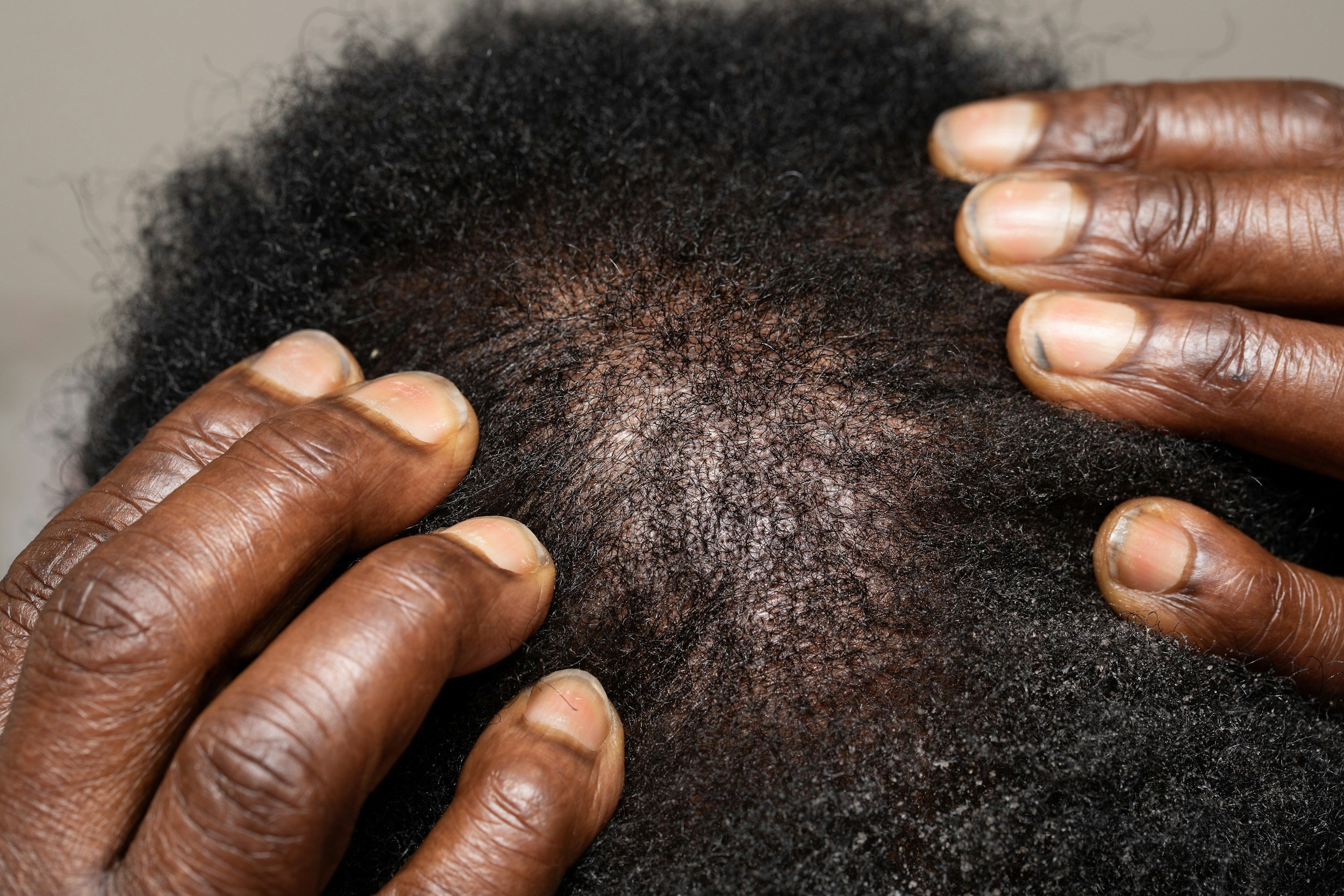
Crown Hair Loss and CCCA: Why Early Scalp Assessment Matters
Crown thinning with itching or tenderness could be CCCA, a scarring alopecia. Learn the warning signs, why early treatment matters and why PRP is not the first step.

Traction Alopecia: Can Hair Grow Back After Tight Styles?
A receding hairline after braids, extensions or tight styles may be traction alopecia. Learn when regrowth is possible, what to stop and whether PRP fits.
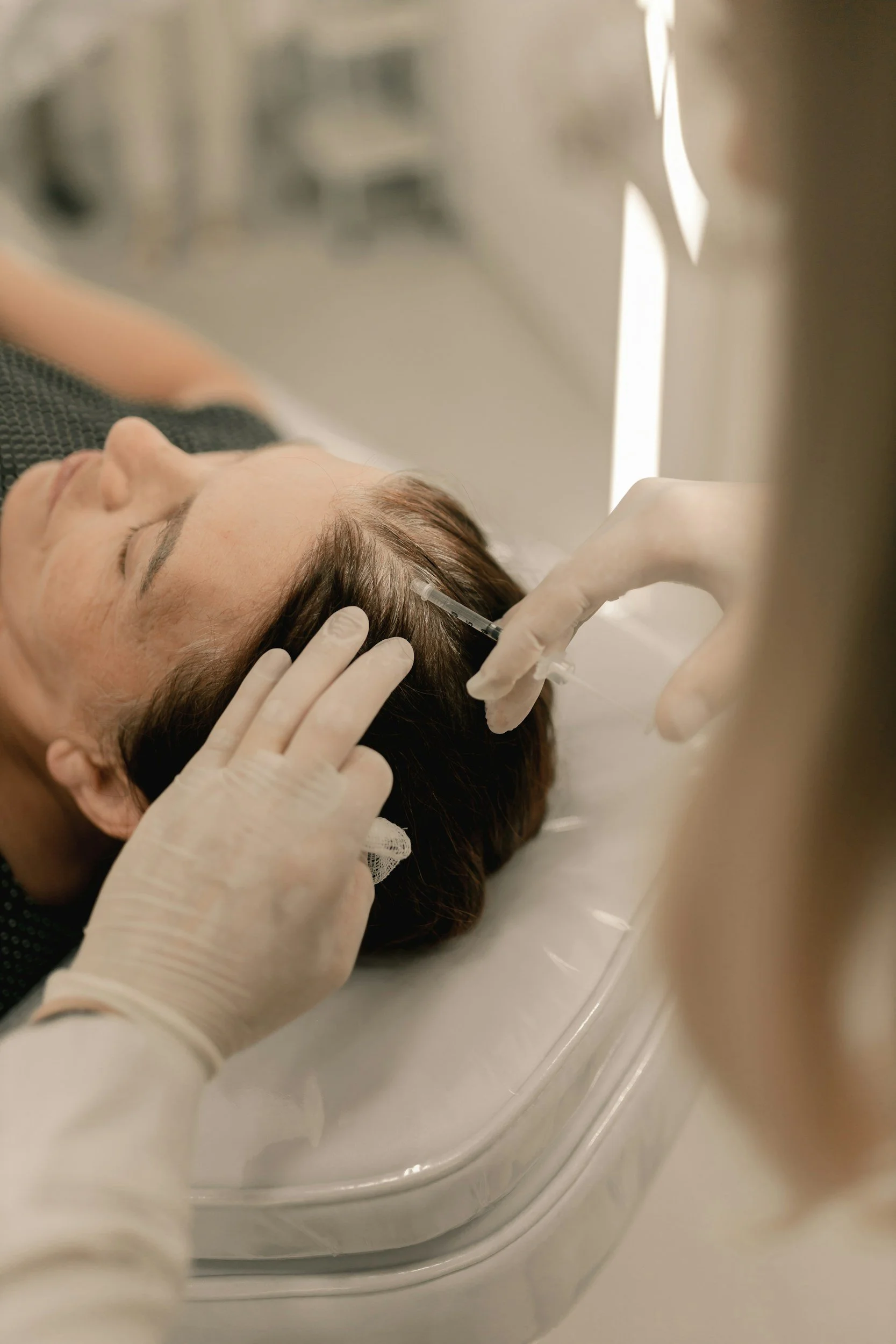
Scalp Psoriasis and Hair Loss: Treat the Scalp First
Scalp psoriasis can drive hair shedding through scratching, inflammation and scale. A GMC-registered doctor explains why the scalp needs treating first and when hair treatment such as PRP fits.
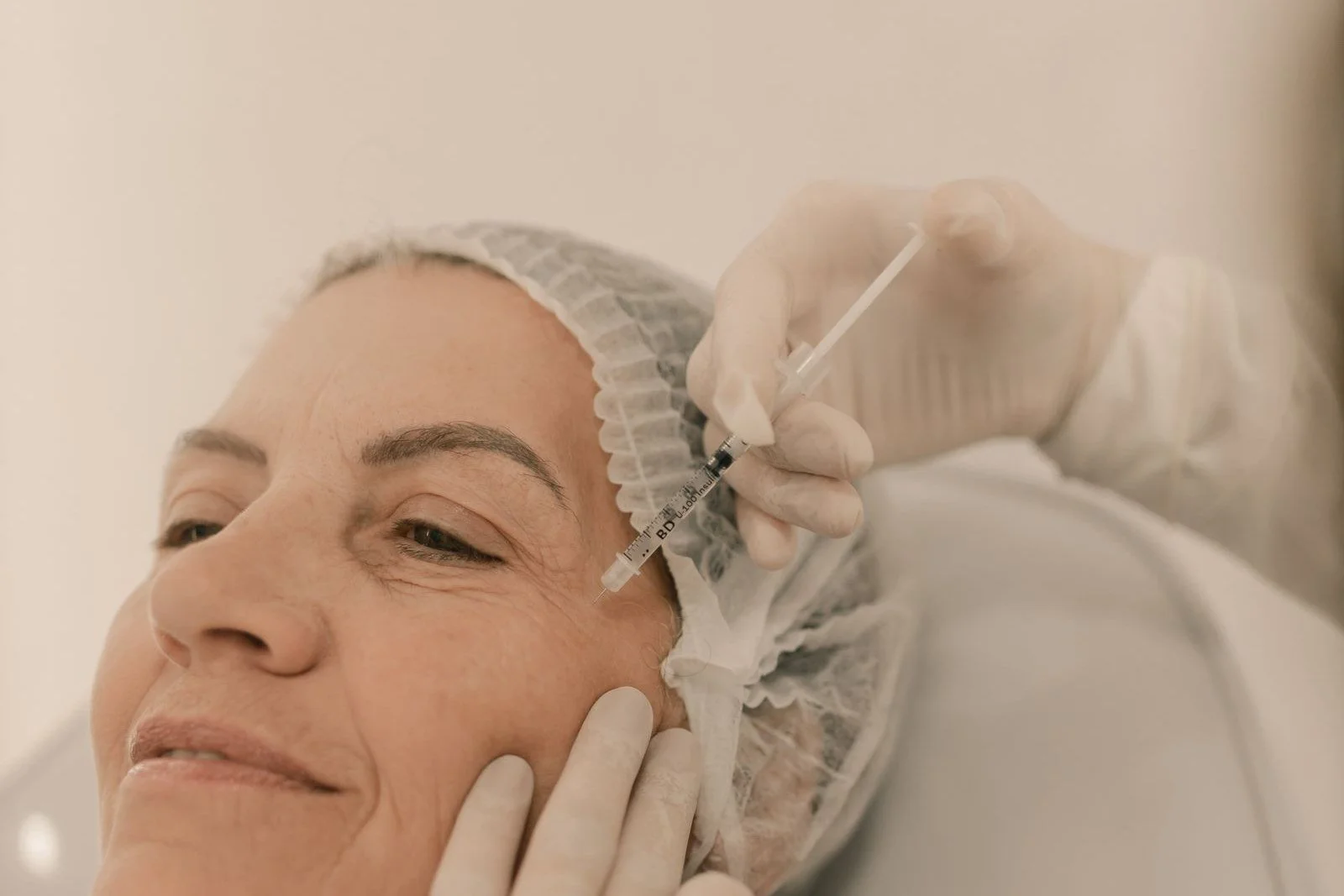
PRP Facial London. What It Does And Who It Suits
A PRP facial, often called a vampire facial, delivers platelets from your own blood into the skin to improve texture, thickness and tone. It is best supported for acne scarring. A 2026 meta-analysis of 17 studies and 1,111 participants found that adding PRP to microneedling roughly tripled the odds of an excellent result. It improves skin quality. It does not add volume, lift loose skin or replace filler.
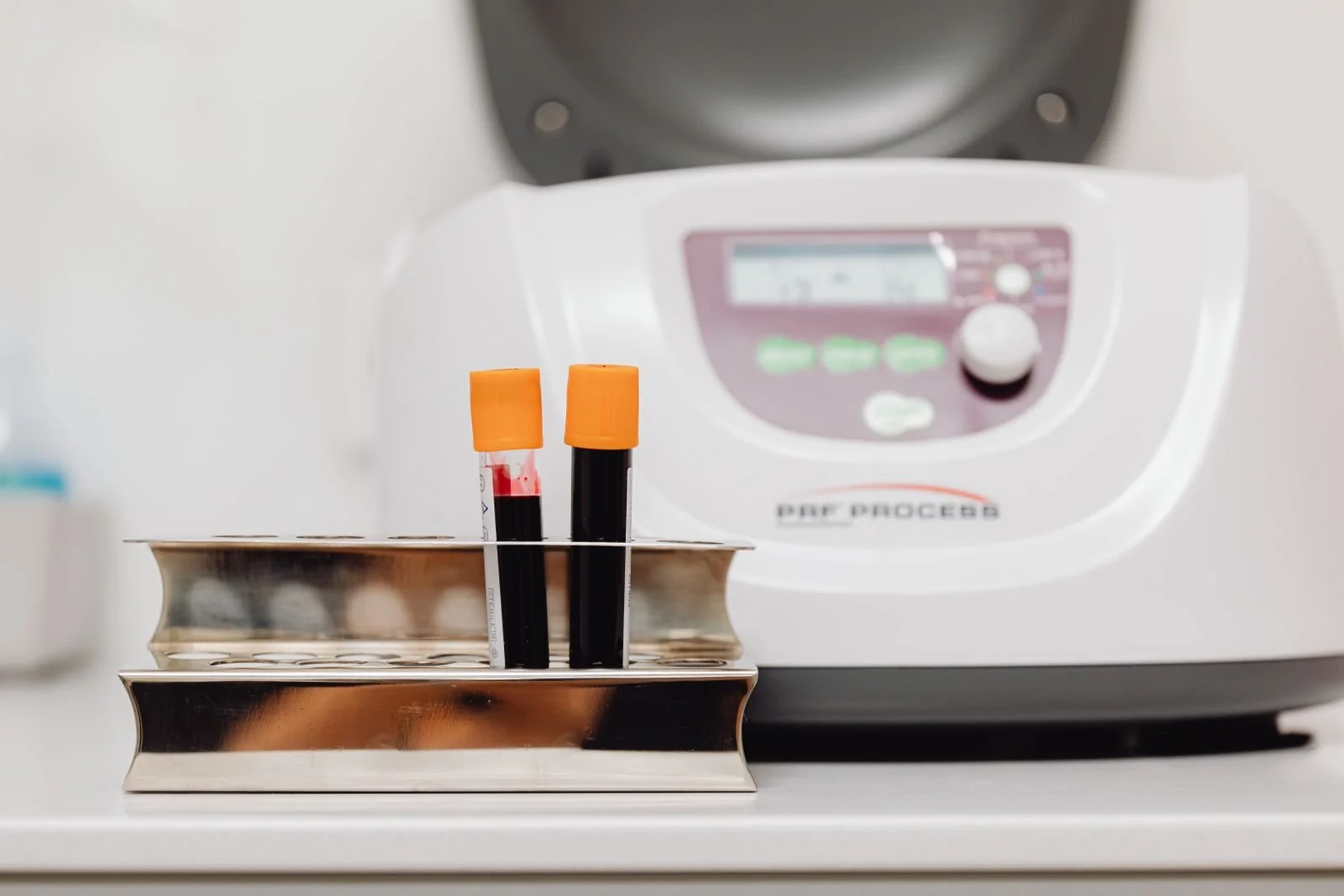
PRP vs PRF. How Preparation Decides Your Result
PRP is not one standard product. Clinics use different kits, spin protocols and platelet concentrations, and those choices change what goes into your scalp, skin or joint. PRF, or platelet-rich fibrin, is a newer variant made without anticoagulant that releases growth factors more slowly. Early trials are encouraging, but PRP has far more evidence behind it. How a clinic prepares its plasma is one of the best questions you can ask.
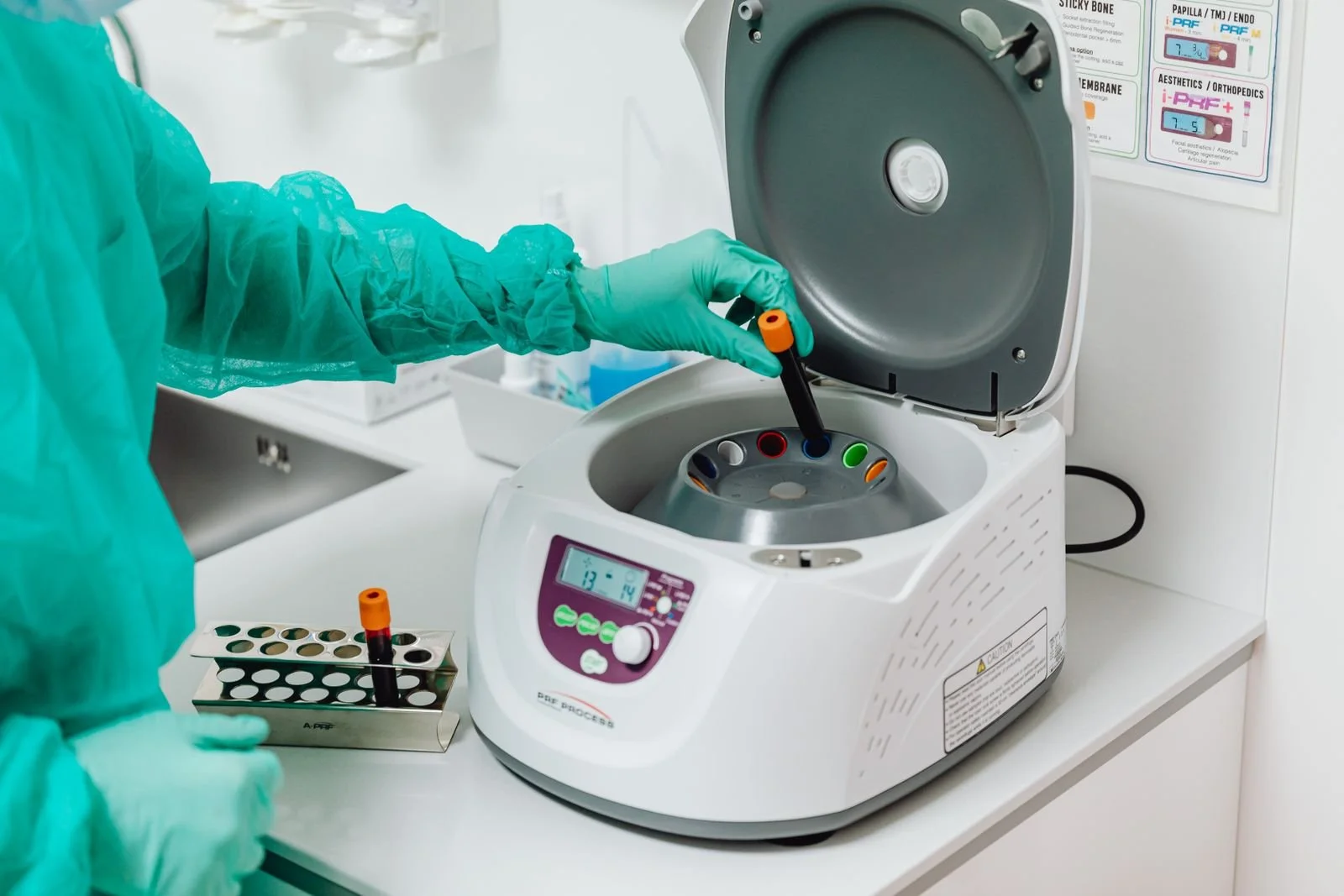
PRP Treatment London. Hair, Face And Joints
PRP, or platelet-rich plasma, is a treatment made from your own blood. Platelets are concentrated and injected where the body needs help to repair. In London it is used for three things, namely thinning hair, skin quality and tendon or joint pain. The evidence is strongest for pattern hair loss and tennis elbow, favourable for frozen shoulder, and contested for knee arthritis.
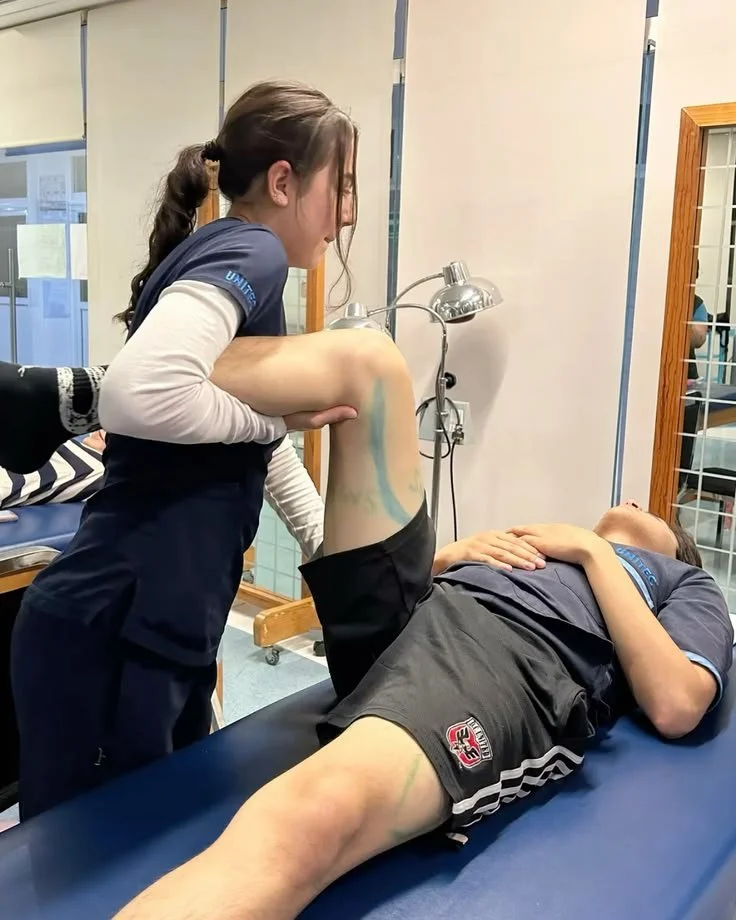
Private Sports Medicine Doctor London
A sports and musculoskeletal medicine doctor sits between a physiotherapist and an orthopaedic surgeon. They diagnose joint and tendon problems, scan them with ultrasound, decide whether you need rehabilitation, an injection or a surgical opinion, and perform image-guided injections themselves. For most persistent tendon and joint pain that has not settled with physiotherapy, they are the right first specialist to see.

Corporate Executive Health Screening London
For a company, an annual health screening for senior staff is one of the few benefits that is both valued by the people receiving it and exempt from tax. Under section 320B of the Income Tax (Earnings and Pensions) Act 2003, one employer-provided health screening and one medical check-up per employee per tax year carry no income tax or National Insurance charge. The value of the programme depends almost entirely on what is tested and who interprets it.
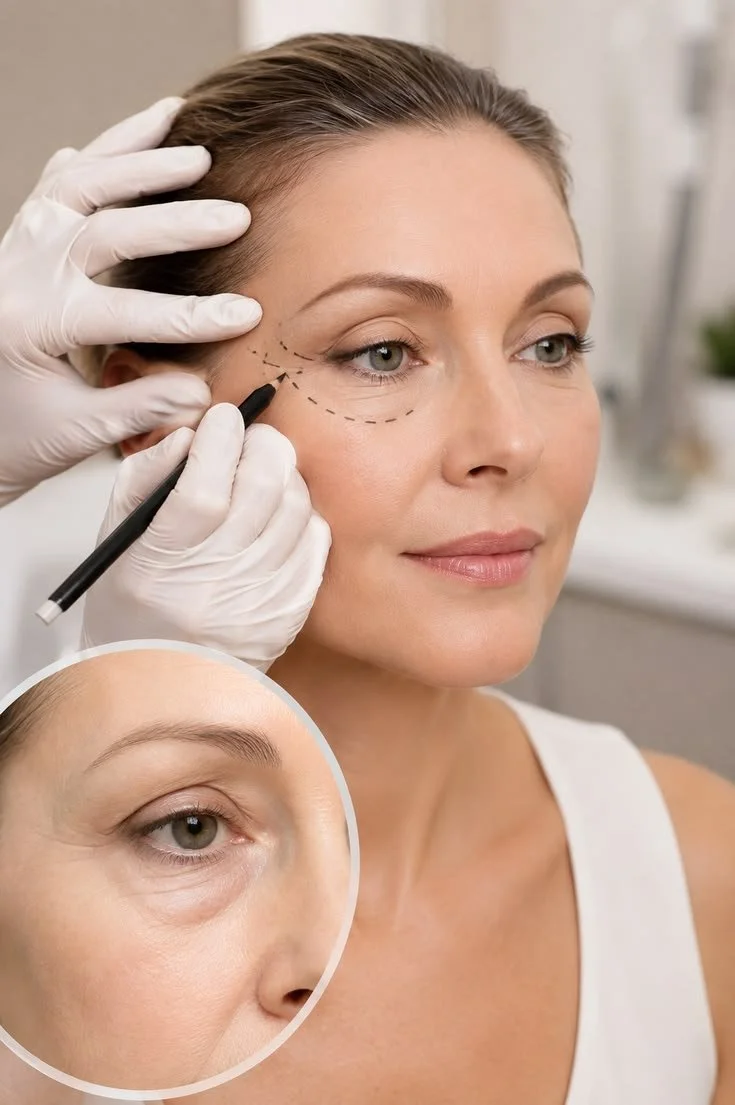
Tear Trough Treatment London. Filler, PRP, Polynucleotides Or Surgery
There are four main tear trough treatments, and each fixes a different problem. Filler replaces lost volume. PRP and polynucleotides improve thin, crepey skin without adding volume. Lower eyelid surgery addresses fat that has pushed forward and significant loose skin. Most disappointing tear trough results come from choosing a treatment for the wrong problem, so the first decision is what is actually causing your shadow.

How Many PRP Sessions for Hair Loss? The Treatment Schedule and a Realistic Results Timeline
Most people start PRP for hair loss with 3 monthly sessions. How many sessions you need, how far apart, when results show month by month, top-ups, and what a course costs in London.

Minoxidil Shedding Phase. Why It Happens And When To Worry
Many people notice more hair falling out in the first few weeks after starting minoxidil, and many stop at exactly the wrong moment. The extra shedding usually means the treatment is working. Minoxidil pushes follicles out of their resting phase and into a new growth phase, and the old resting hairs are shed to make way. It typically appears within the first 2 to 8 weeks and settles within a few weeks. Stopping throws away the start you have just made.
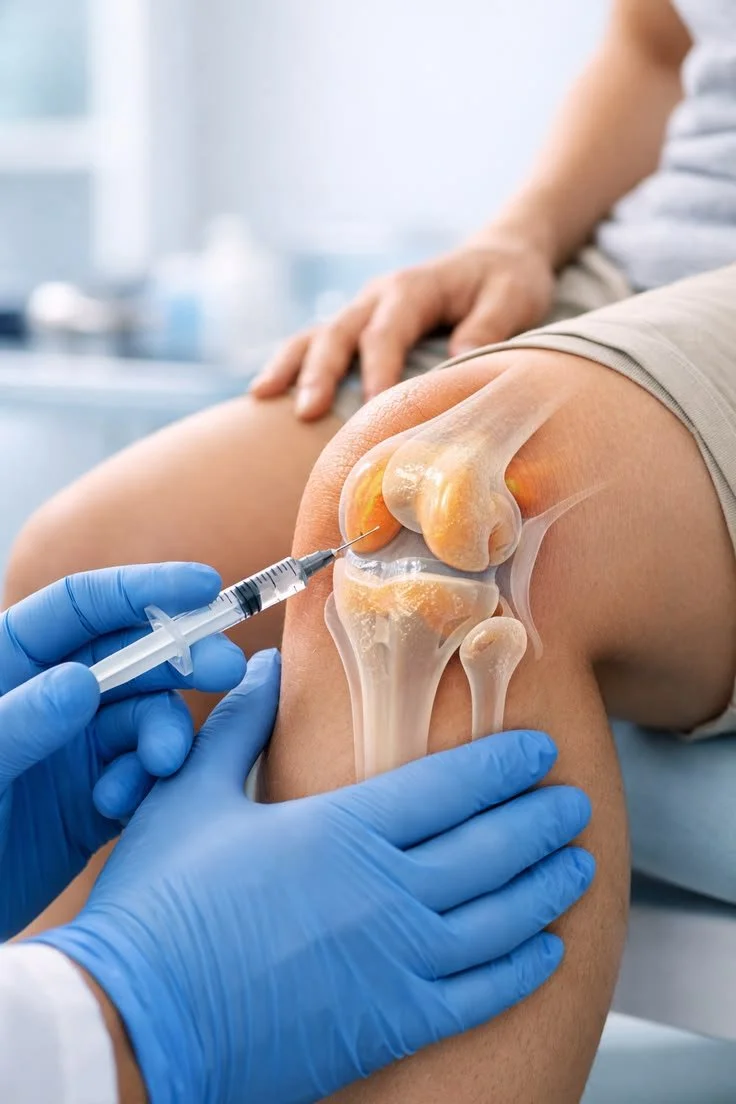
Keyhole Knee Surgery For Arthritis. What The Evidence Says
If you have knee osteoarthritis or a wear-related meniscal tear and have been offered an arthroscopy to clean up the joint, it is worth knowing that NICE advises against arthroscopic washout and debridement for osteoarthritis unless the knee is mechanically locking. A sham-controlled trial found partial removal of a degenerative meniscus performed no better than a placebo operation. For most people with degenerative knee pain, there are better first steps.

Oral Minoxidil For Hair Loss
Low-dose oral minoxidil has become one of the most widely used hair loss treatments of the last five years, particularly for people who cannot tolerate or keep up with the topical version. It is prescribed off-label at a fraction of the blood pressure dose. In a multicentre study of 1,404 patients, the most common side effect was increased body and facial hair in 15.1%, while systemic effects such as lightheadedness and fluid retention each occurred in under 2%.
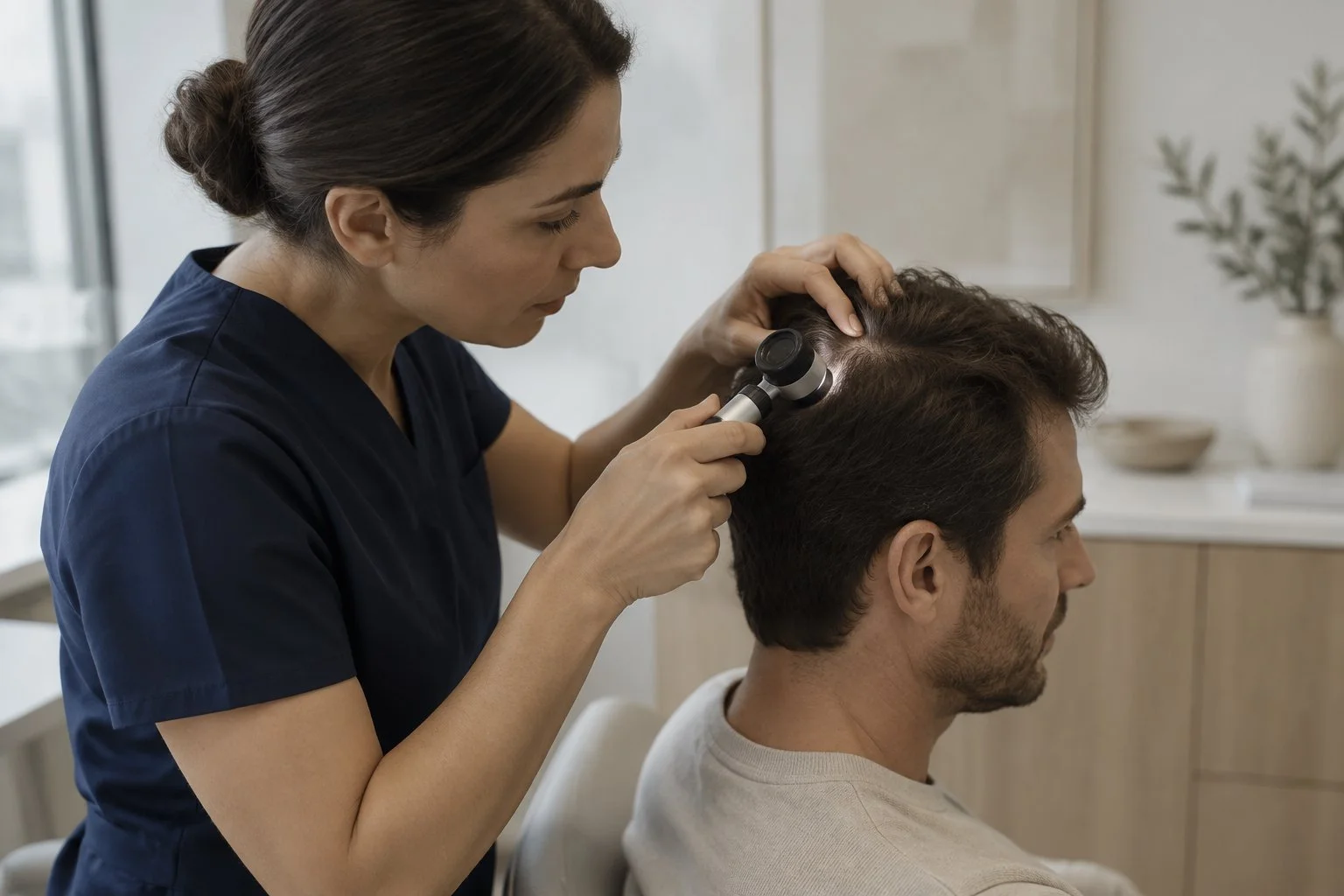
Trichologist or Doctor for Hair Loss? Who to See, What Each Can Do and When You Need Blood Tests
A trichologist is not a medical doctor and the title is not protected in the UK. What each can do, when hair loss needs a doctor and blood tests, and where PRP fits.

Biotin for Hair Loss. What the Evidence Shows, Who It Helps and Why It Can Distort Your Blood Tests
Biotin only helps hair in people who are deficient, which is rare. What the evidence shows, who it might help, and why high-dose biotin can distort thyroid and other blood test results.
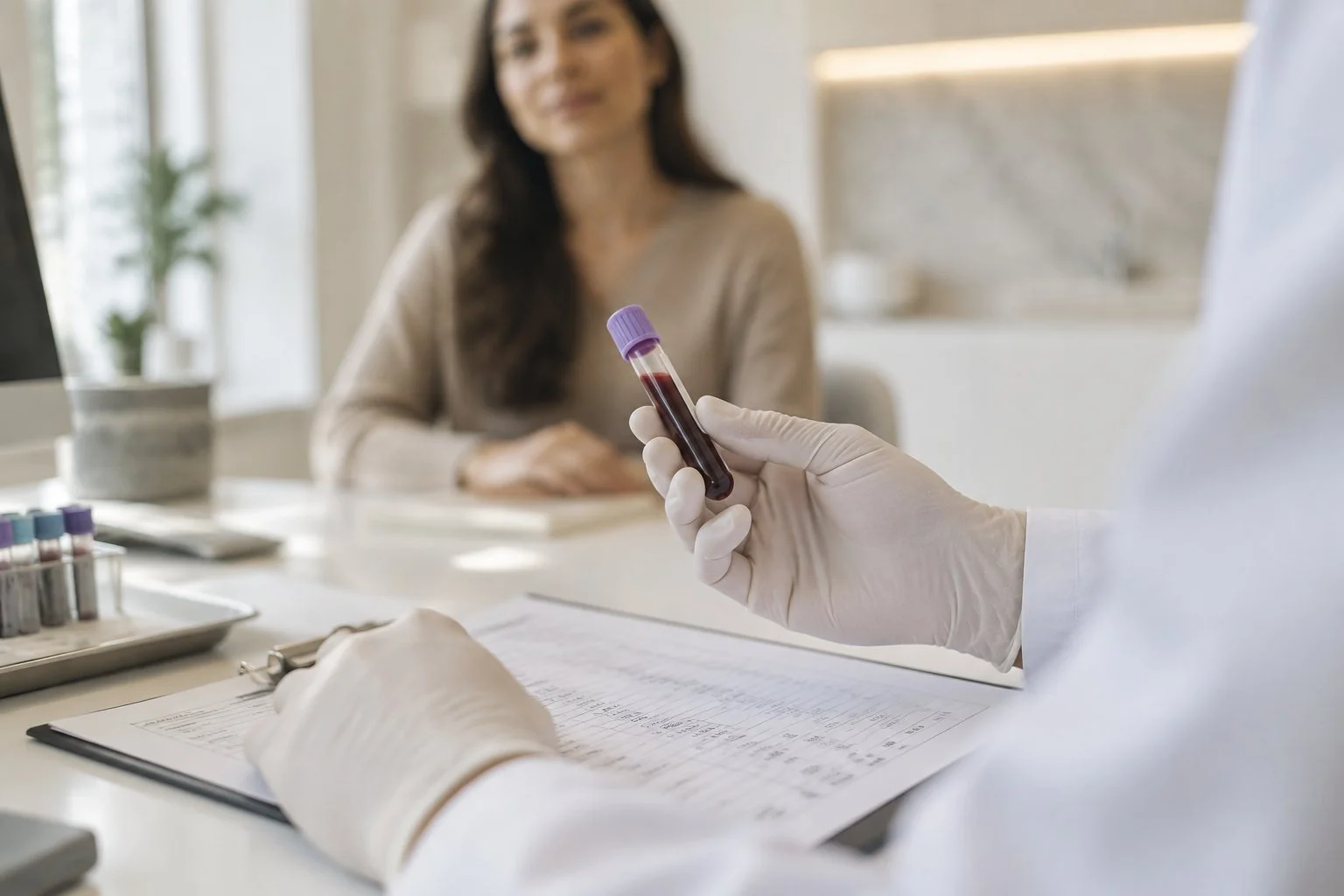
Low Ferritin and Hair Loss. The Iron Level Your Hair Needs, Why a Normal Result Can Still Be Too Low and How to Correct It
Low ferritin is one of the most common treatable causes of hair shedding. What ferritin measures, why a normal result can still be low for hair, how iron is corrected properly and when PRP makes sense.