
How Many PRP Injections For The Knee? What The Evidence Shows
For knee osteoarthritis, the best current evidence favours a course of 3 PRP injections over a single injection. A 2025 network meta-analysis of 10 randomised trials and 719 patients found that 3 injections reduced pain and improved function more than 1 injection at 1, 3 and 6 months. Most courses are given 1 to 2 weeks apart under ultrasound guidance, alongside strengthening exercise. PRP does not regrow cartilage, and the evidence overall is favourable but contested, which we explain in full.

PRP Hair Package London. What A Course Should Include
PRP for hair works as a course, not a single session. Trials that show benefit almost always use 3 or more sessions spaced around a month apart, followed by maintenance. So the real question is not what 1 session costs, but what a complete course includes and whether it is built around a diagnosis. A good package covers the assessment, blood tests, 3 sessions, measured photographs and reviews at 3 and 6 months. At The London PRP Clinic by The Wellness, a course of 3 is from £1,200, with the £300 hair consultation included.

PRP For Athletes London. Is It Allowed And Which Injuries It Helps
PRP is not prohibited under the World Anti-Doping Agency rules, so athletes in tested sports can have it, with limits. The best evidence in sport is for chronic tendon problems such as tennis elbow, jumper’s knee and rotator cuff tendinopathy, where trials show more durable improvement than steroid. For acute muscle tears the evidence is mixed, and a placebo-controlled trial found no benefit for a ruptured Achilles tendon. A good sports doctor uses PRP where it helps and says plainly where it does not.
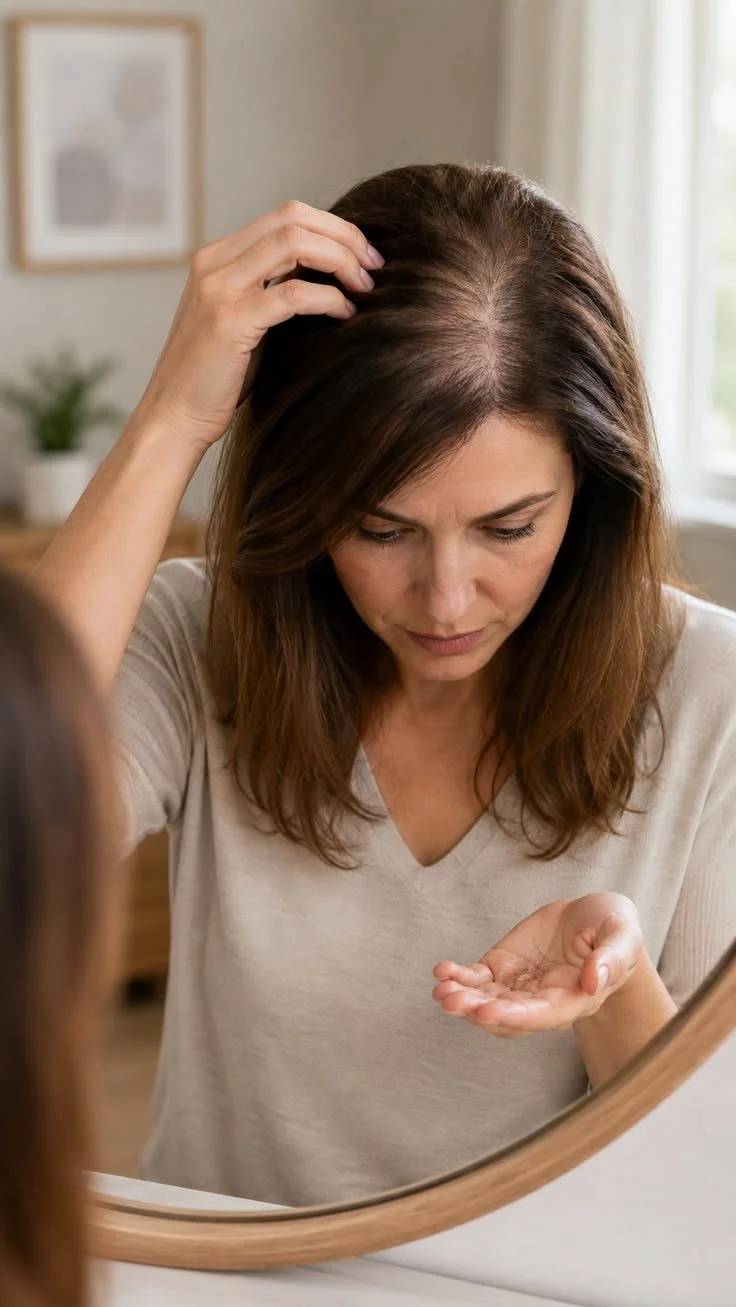
Vitamin D And Hair Loss London. What The Evidence Shows
Low vitamin D is common in the UK, especially from October to March, and studies consistently find lower levels in people with several types of hair loss, most clearly alopecia areata. What the research has not yet shown is that taking vitamin D regrows hair on its own. The practical answer is to test, correct a deficiency if you have one, and treat the hair loss itself alongside it, because vitamin D is rarely the only cause.

Shoulder Injections London. Every Option Compared
The right shoulder injection depends on what is wrong with the shoulder. For rotator cuff pain, steroid relieves pain fastest, while PRP tends to give more durable improvement over 6 to 12 months. For frozen shoulder, steroid helps in the early painful phase, hydrodilatation can improve movement, and PRP performed better than steroid at 6 months in a 2026 meta-analysis. A torn tendon after an injury may need a surgeon instead. Every shoulder injection should be ultrasound guided.

Hip Injections London. Every Option Compared
The right hip injection depends on where the pain is coming from. Pain in the groin is often from the hip joint itself, usually osteoarthritis, where steroid gives short-term relief and PRP is a promising longer-lasting option. Pain on the outer hip is usually a tendon problem, where exercise outperforms steroid injection. Pain in the buttock may be coming from the back. NICE advises against hyaluronic acid injections for osteoarthritis. Because the hip is deep, every injection should be image guided.

PRP or Microneedling for Hair Loss? | The London PRP Clinic by The Wellness
PRP or microneedling for thinning hair? The London PRP Clinic by The Wellness explains the evidence, medical options, safety and why diagnosis comes before a course.

Finasteride Alternatives London. Every Option Compared
here are good alternatives to finasteride tablets for male pattern hair loss, and the best one depends on why you want to avoid finasteride. If your concern is side effects, minoxidil, microneedling and PRP all work without lowering hormones. Topical finasteride lowers hormones in the blood less than tablets but is not licensed in the UK. Dutasteride is stronger than finasteride but carries the same warnings. Most men get the best result from a combination chosen after a proper diagnosis.
PRP for Women’s Hair Loss in London | Costs and the Assessment That Comes First
Hair PRP costs £450 per session or £1,215 for three. Understand why diagnosis, relevant testing and a written treatment plan should come first.
Microneedling Alone or With PRP | Which Treatment Fits Your Skin
Compare microneedling alone with PRP without assuming more treatment is better. Evidence, skin assessment, risks and the total plan come first.
PRP for Hair Loss | What the Week-16 Photo Review Shows and What Happens Next
Understand a week-16 PRP photo review, the limits of visible improvement and how to decide whether to continue, change or pause treatment.
Does PRP work for knee osteoarthritis? What the 2026 evidence shows
Knee PRP research is mixed. Understand placebo-controlled findings, NICE special arrangements, established osteoarthritis care and what a considered assessment should cover.
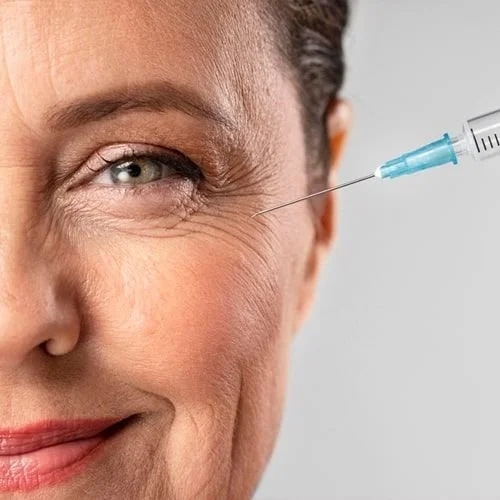
PRP or polynucleotides for under-eye rejuvenation, which is right for you?
PRP and polynucleotides both improve under-eye skin by stimulating repair, but they suit different concerns. Polynucleotides have the stronger evidence for crepey, thin under-eye skin and fine lines. PRP, made from your own blood, suits dullness, uneven colour and patients who prefer an entirely natural option. Many patients benefit from combining the two.
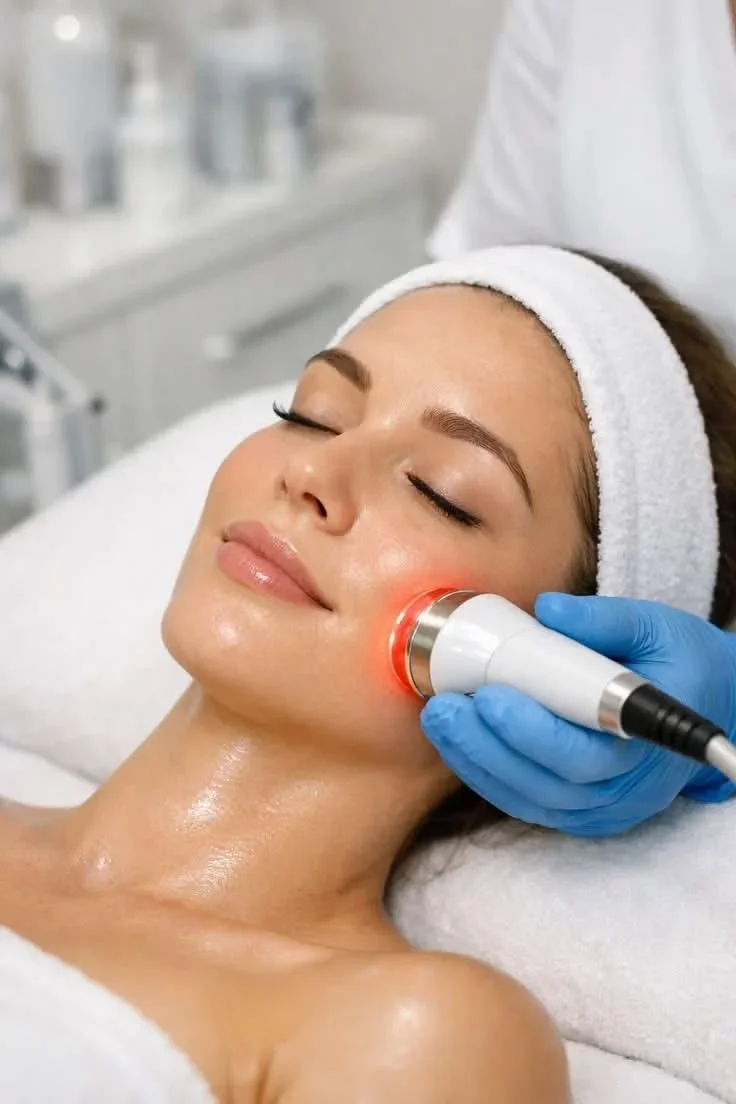
Is a vampire facial safe, and how do I choose a safe PRP clinic in London?
A vampire facial is safe when a trained doctor performs it with sterile, single-use equipment in a medical setting. Serious harm has been linked to unlicensed premises that reused needles, not to the treatment itself. Before booking, confirm who performs the procedure, how blood is handled, and what happens if a complication occurs.
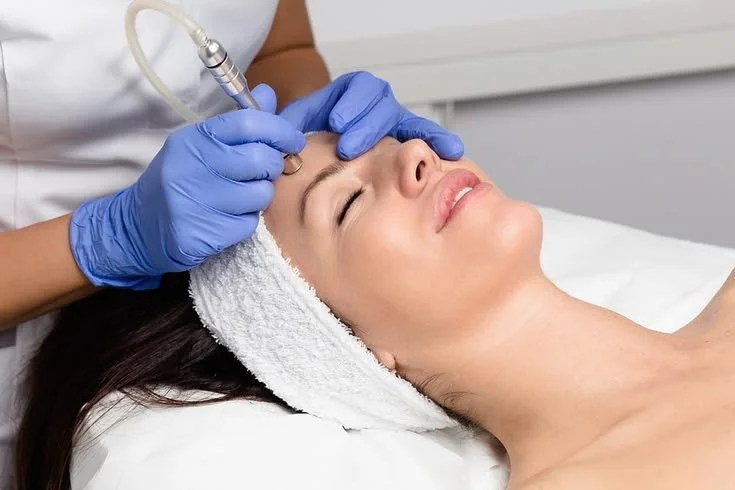
What is a vampire facial, what does it cost in London, and what results can I expect?
A vampire facial is PRP microneedling. A doctor draws a small amount of your blood, concentrates the platelets, and works the platelet-rich plasma into the skin through fine microneedling channels. The growth factors support collagen renewal, improving texture, scarring and fine lines over three months. The London PRP Clinic by The Wellness offers doctor-led PRP facials from £395.
How much does PRP hair treatment cost in London in 2026, and is it worth it?
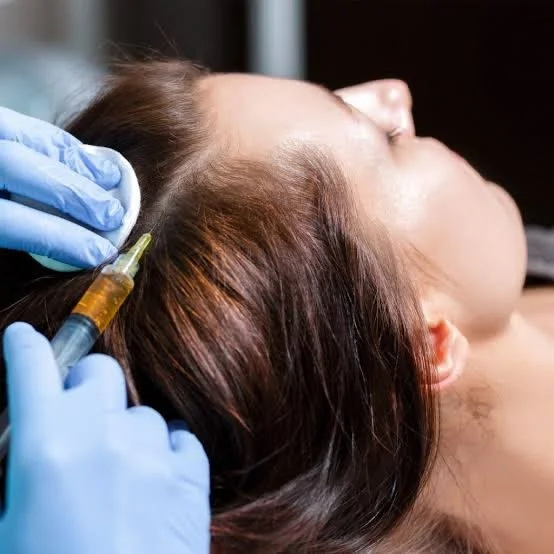
PRP hair treatment in Harley Street and Mayfair is commonly priced at £600 to £850 or more per session. The London PRP Clinic by The Wellness offers doctor-led PRP hair treatment from £450 per session, and a course of three from £1,215. Most patients need three initial sessions and maintenance every four to six months.
Why does hair fall out after rapid weight loss, and can PRP help it grow back?
Hair loss after rapid weight loss is usually telogen effluvium, a temporary shedding that starts two to four months after weight begins to fall. The follicles survive, so hair normally regrows within six to nine months of weight stabilising. Blood tests for iron, zinc and thyroid function come first. PRP can support faster, thicker regrowth once deficiencies are corrected.

Why is my hair falling out more in autumn, and when is PRP the right next step?
Autumn hair shedding is a real and measurable pattern. A study of 823 women published in Dermatology in 2009 found resting hairs peak in summer and fall out weeks later, which is why shedding rises in September and October. Seasonal shedding settles by winter. Shedding that persists, or a widening parting, needs a doctor's assessment.
Before You Sign for PRP | A Written Consent and Cost Checklist
Use this PRP consent checklist before agreeing to treatment: diagnosis, realistic benefits, risks, alternatives, total cost, aftercare and time to decide.
Facial PRP Safety | Symptoms That Need Urgent Help After Treatment
Facial PRP is not risk-free. Learn why sudden vision changes need emergency help, how to distinguish a routine recovery plan from warning signs, and what to ask first.